View in
Combo Manicure: The Technique Clients Don’t Know They Want Yet
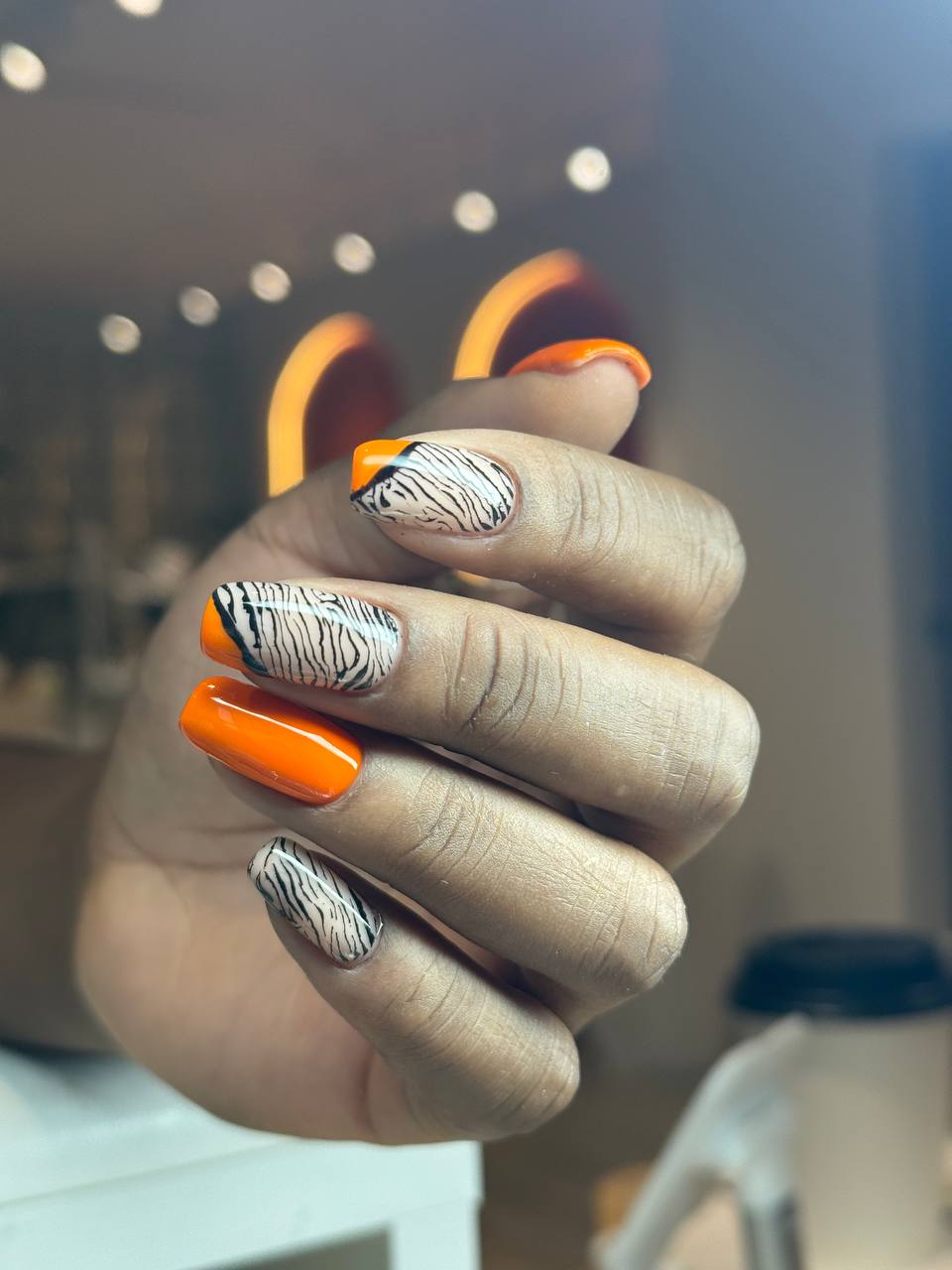
A client walks in expecting a regular manicure.
Nothing dramatic. Nothing complicated. Just clean nails, neat polish, maybe a little cuticle cleanup.
Then the service feels different.
More precise. More personal. Less like you are following the same steps on every hand that sits at your table. The finished result looks cleaner around the cuticle, smoother across the nail, and more polished overall.
The client looks at her hands a little longer than usual.
Then she rebooks.
That is the kind of reaction a combo manicure can create.
It is not a new product. It is not a trend color. It is not a flashy add-on with a cute name.
It is a smarter way to combine what you already know.
A combo manicure is a technique-based manicure that combines elements of dry and wet manicure work in one service.
The key word is “combines.”
This is not a fixed script where every client gets the exact same steps in the exact same order. A combo manicure is adjusted based on the client’s nails, cuticle condition, skin type, and service goals.
That is what makes it different.
A dry technique can offer precision, especially around the cuticle area and nail surface. A wet technique can help soften certain tissue and make parts of the service more comfortable or effective for specific clients.
A combo manicure uses both approaches with intention.
Not randomly.
Not because it sounds fancy.
One client may need more careful dry prep. Another may benefit from softening before cleanup. Someone else may need a more delicate approach because her skin is sensitive, her nails are thin, or her cuticle area behaves differently.
The result is a manicure that feels more customized than a standard service.
That is why the combo manicure technique is becoming important in advanced salon work. It gives the tech more control and gives the client a better finished result.
A standard manicure says, “Here are the steps.”
A combo manicure asks, “What does this client’s nail actually need?”
That shift is everything.
Clients may not know the term “combo manicure.”
They may not ask for it by name.
But they know the difference when they experience it.
The service feels more thorough. Not longer just for the sake of being longer. More considered. More specific. More like the tech is actually reading their hands instead of running through a memorized routine.
That matters.
Clients notice when the cuticle area looks cleaner. They notice when product sits more smoothly. They notice when the manicure still looks fresh longer than expected.
They may not know why the result looks better.
They just know it does.
A combo manicure can also feel more personal because the service is adapted to the client. That is one of the biggest reasons clients respond to it so strongly.
People like feeling that their appointment is not copy-pasted.
They like when a tech can say, “Your nails need this approach today,” and actually explain why.
That builds trust.
And trust is what turns a one-time client into someone who books again before leaving.
This is also the kind of service clients talk about. They may tell a friend, “I don’t know what she did, but my manicure looked so clean and lasted so well.”
That kind of word-of-mouth is powerful because it sounds natural.
No hard sell.
Just a client noticing the difference.
Most techs do not avoid combo manicure because they are lazy.
They avoid it because nobody taught them properly.
Standard beauty school usually teaches a basic manicure procedure. It has a service order. It has required steps. It gives beginners a foundation, which is necessary.
But the combo approach asks for more than following instructions.
It requires judgment.
A tech needs to understand dry technique. Wet technique. Cuticle behavior. Nail condition. Product adhesion. Client sensitivity. When to soften. When to keep the nail dry. When to use an e-file. When to adjust the service because the client’s nails are not responding the way a textbook example would.
That is more advanced work.
And it is exactly where many licensed techs start feeling the gap between basic training and real salon expectations.
Clients now come in with high-end reference photos and expect that clean, detailed finish. The kind of finish that looks effortless online but requires real control in person.
A standard manicure can look nice.
A combo manicure can look sharper, cleaner, and more premium because the prep is more thoughtful.
But to offer it confidently, a tech has to know what she is doing.
Not guess.
Not copy one video.
Not add random steps and call it advanced.
The technique has to make sense.
Learning combo manicure starts with understanding the principles behind dry and wet technique.
You need to know what each approach does well.
You also need to know where each one has limits.
Dry work can be clean and precise, especially when paired with proper e-file control. Wet work can help with softening and comfort, depending on the client’s skin and nail condition. The skill is knowing how to bring them together safely and effectively.
That takes practice.
It also takes feedback.
A good instructor can help you see what you are missing: too much pressure, poor tool angle, incomplete cleanup, overworking the skin, or choosing the wrong technique for that client’s nail type.
Those details matter.
A combo manicure should never feel like “more steps” for the sake of more steps. It should feel smarter. More controlled. More client-specific.
To learn it properly, a tech needs training in:
That last part is the real upgrade.
Decision-making.
Advanced manicure techniques are not only about what your hands can do. They are about knowing why you are doing it.
That is why combo manicure usually belongs in nail tech advanced training, not a basic licensing curriculum.
It is not beginner theory.
It is salon-level skill.
Clients are used to standard services.
They sit down. The tech performs the expected steps. The nails look nice enough. Everyone moves on.
A combo manicure changes the feeling of the appointment because the service becomes more attentive.
The client can tell you are not treating her hands like every other set of hands.
Maybe her cuticle area needs more precision. Maybe her skin needs a gentler approach. Maybe her product retention has been poor because prep was never adapted properly. Maybe she wants a clean gel manicure that looks expensive without looking overdone.
Combo manicure gives you more tools to answer those needs.
That makes the service feel elevated without needing to say, “This is luxury.”
The result speaks for itself.
Cleaner work.
Better finish.
More comfort.
More confidence.
And for the tech, that changes the appointment too. You stop feeling locked into one service script. You start making choices based on the client in front of you.
That is where real professional growth happens.
A lot of nail techs offer manicures.
Fewer offer a manicure that feels noticeably different.
That is where combo manicure becomes a competitive differentiator.
It is not loud. It does not need to be. The power is in the result. A client sees cleaner prep, better product placement, and a more refined finish. She feels that the service was made for her, not pulled from a generic checklist.
That kind of difference helps a tech stand apart.
Especially in a market where clients can compare work quickly.
They see nails online every day. They know what clean work looks like, even when they do not know the technique behind it. If your service gives them that polished, high-end finish, they remember.
Combo manicure can also open the door to stronger client relationships because it naturally invites education.
You can explain why one approach is better for her nails today. You can make recommendations with confidence. You can help her understand why prep affects longevity and why not every manicure should be done the exact same way.
That turns you from “the person doing my nails” into a trusted technician.
There is a difference.
Combo manicure is best learned through advanced hands-on training.
Not from guessing.
Not from randomly mixing dry and wet steps.
Not from watching one short video and trying to repeat what you saw.
This technique requires understanding, practice, and correction. You need someone experienced to watch how you assess the nail, how you prepare the cuticle area, how you choose each step, and how you adapt the service in real time.
That is exactly why advanced training academies exist.
Why Not Nails Academy teaches advanced techniques for licensed techs who want to move beyond the standard manicure and build more professional, salon-ready skills.
The combo manicure fits that mission perfectly.
It is practical.
It is modern.
It is client-focused.
And it gives techs a stronger way to deliver the kind of clean, customized result clients are already looking for, even if they do not know what to call it yet.
The combo manicure is not just another trendy service name.
It is a smarter approach to manicure work.
By combining dry and wet techniques based on the client’s actual nail condition, skin type, and goals, techs can create a cleaner, more customized, more elevated service.
Clients may not know they want it yet.
But once they feel the difference, they understand.
For nail techs, that makes combo manicure a powerful skill to learn. It can help your work look more refined, your services feel more personalized, and your client experience stand apart from a standard manicure.
If you are ready to offer more than a basic service script, learn combo manicure through Why Not Nails Academy’s advanced training programs and start building the technique clients remember.