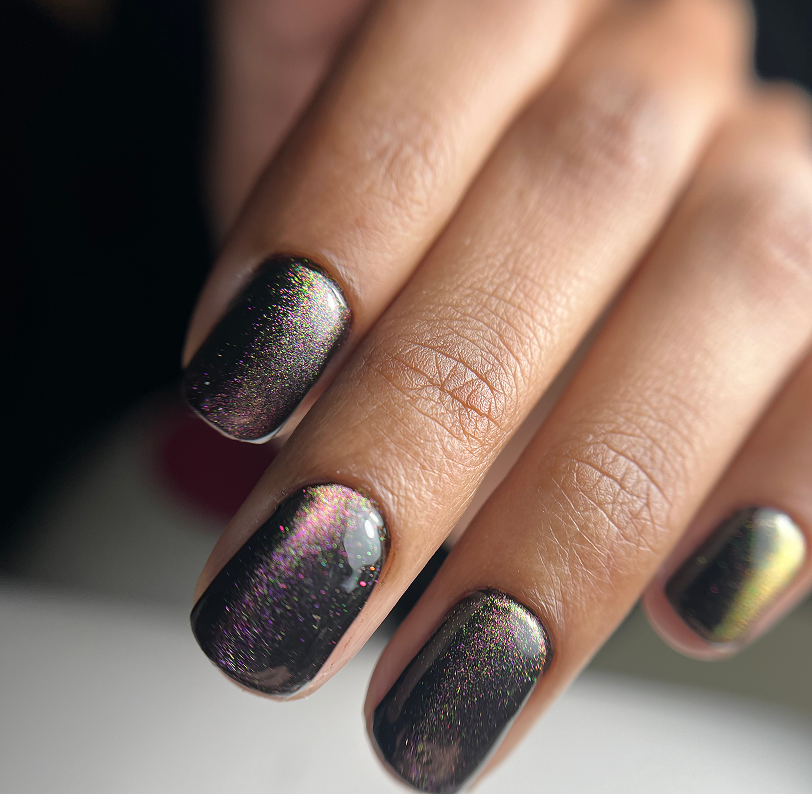
Gel Manicure
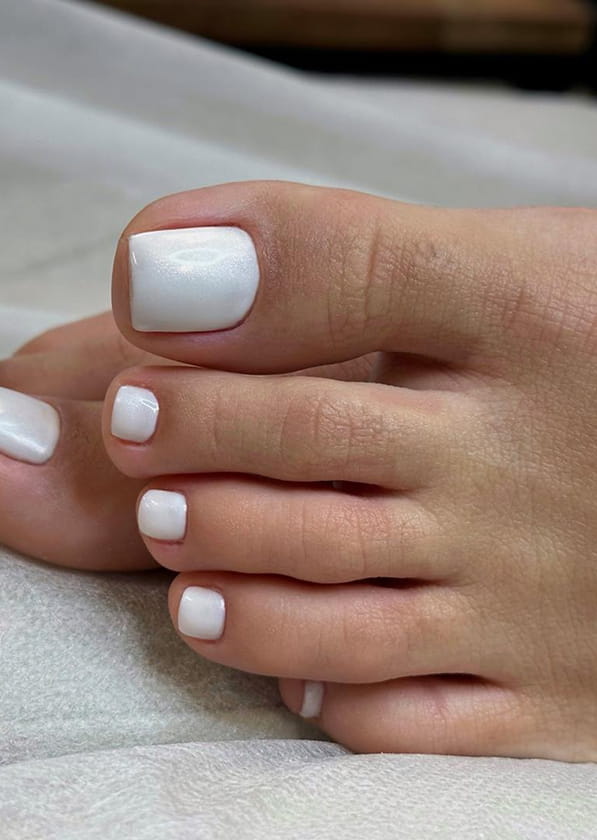
HEMA-free gel polish is applied over a HEMA-free base coat for a clean, glossy, long-wearing finish.
All gel services at Why Not Nails are performed with HEMA-free formulations. That includes gel polish, base coats, builder gels, and dip powder systems.
This is a documented product standard, not a marketing claim. HEMA, or hydroxyethyl methacrylate, is one of the most common sensitizing ingredients in conventional gel nail products. Removing it from our service materials reduces allergy risk for clients and protects nail professionals who work with these products every day.
Our HEMA-free standard is used alongside our TPO-free standard
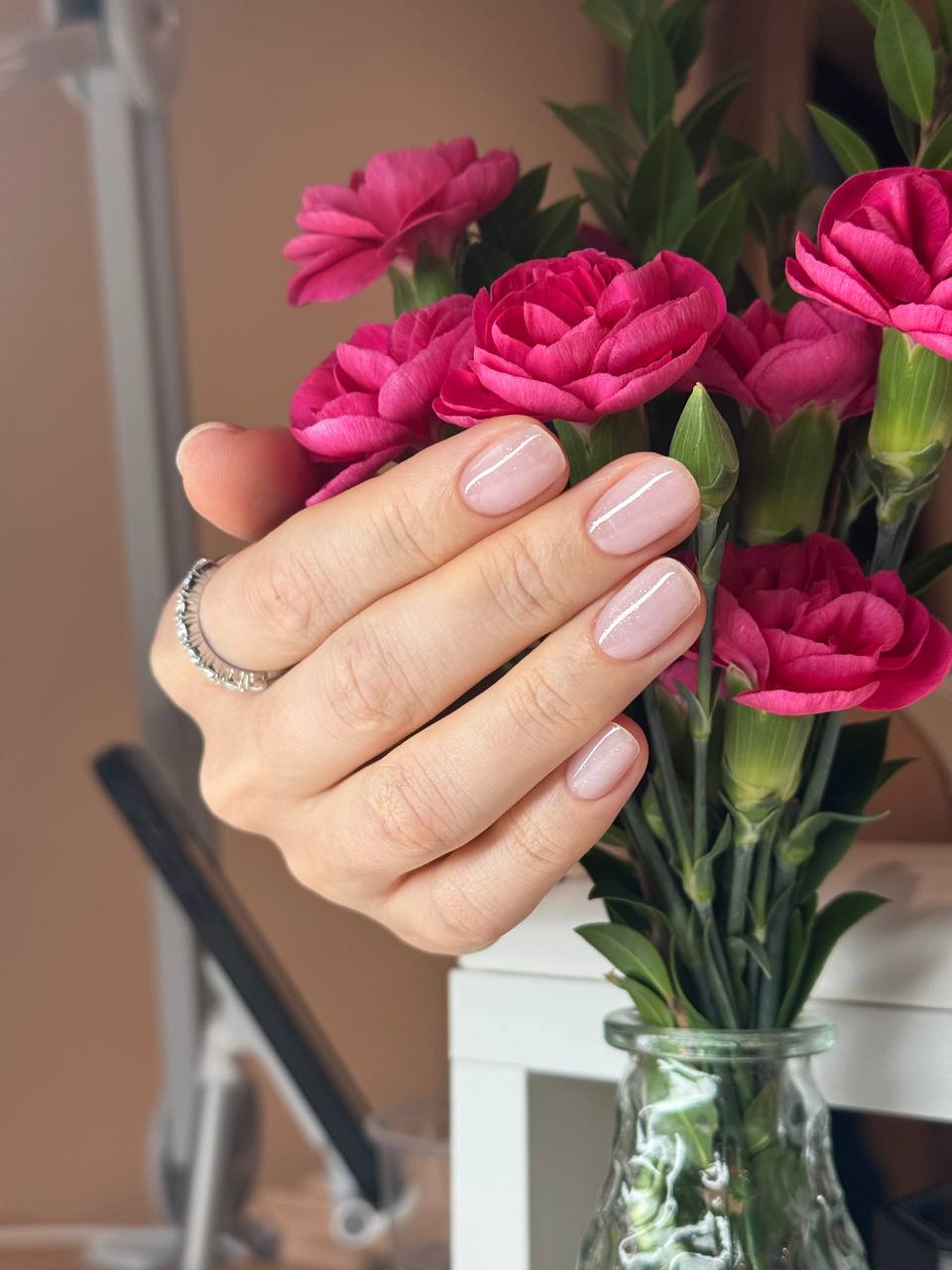
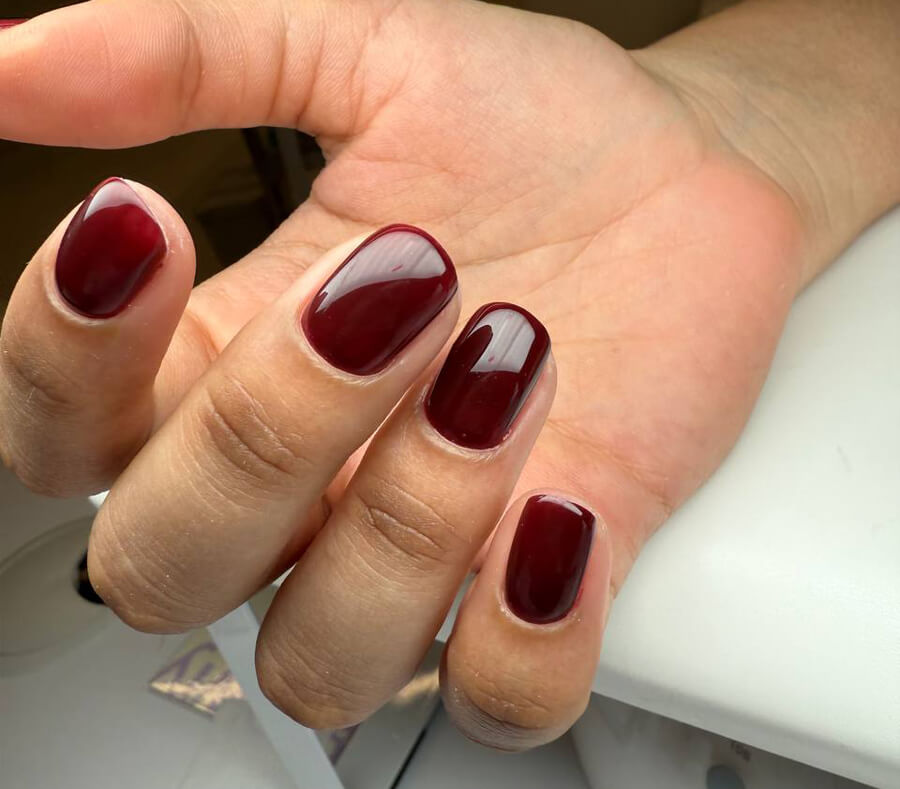
HEMA is a methacrylate monomer used in many gel nail systems to help product bond to the natural nail. Its small molecular structure allows it to support adhesion, which is why it became common in gel polish, base coats, builder gels, and related products.
The concern is skin exposure.
When uncured or improperly handled HEMA touches the skin repeatedly, it can trigger allergic contact dermatitis. This reaction is a type IV delayed hypersensitivity response, which means the immune system becomes sensitized over time. Once that response develops, future exposure can cause a reaction even at very low levels.
HEMA is not the only sensitizing compound in gel systems, which is why ingredient review matters beyond one label claim.

Hydroxyethyl methacrylate, listed as CAS 868-77-9, is excluded from the product formula.

Alternative bonding ingredients, such as di-HEMA trimethylhexyl dicarbamate or other lower-risk monomers, may be used instead.

The service can still deliver strong wear, a smooth finish, and reliable adhesion when applied by a trained professional.
HEMA-free does not mean allergy-proof. It means the primary sensitizing ingredient found in many conventional gel products has been removed.

HEMA sensitization is not the same as temporary irritation. Once the immune system recognizes HEMA or a related acrylate as a trigger, that response can remain permanently.
There is currently no desensitization treatment that resets this immune response. After sensitization, even trace exposure may cause symptoms.
For clients, this can mean losing access to standard gel or acrylic services. For nail technicians, it can threaten their ability to work safely in the industry at all. That is why prevention matters more than reaction management.
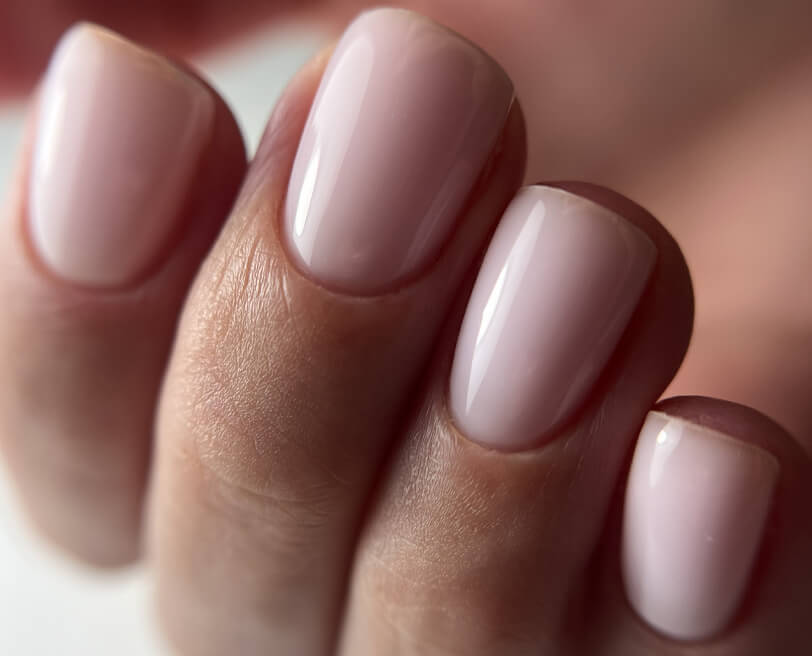
Why Not Nails treats HEMA-free product use as a professional safety standard.
Most clients do not know their personal allergy threshold. Many have no history of contact dermatitis when they first book a gel service. That does not mean there is no risk. It means their immune system has not reached the point of sensitization.
Nail technicians face an even higher exposure burden because they work with gels, dust, residues, and tools across multiple appointments every day. A product that seems fine for one service still has to be safe enough for repeated professional use.
Liza, Lead Instructor and Founder of Why Not Nails Academy, explains:
“Every product we use in the studio and teach in our courses is reviewed against a documented safety standard. HEMA exclusion is non-negotiable. Our technicians and students work with these materials constantly, so product safety has to hold up across a full professional career, not one appointment.”
HEMA restrictions in EU professional nail products also point in the same direction: the industry is moving toward tighter control of high-risk sensitizers. Why Not Nails follows that standard because it protects both sides of the manicure table.
Before a product is approved for studio or classroom use, it is reviewed against clear safety requirements.
A HEMA-free service does not require a weaker result.
The chemistry changes. The finished manicure should still look polished, wear well, and feel professional. With proper preparation and application, HEMA-free gel systems can deliver the durability clients expect from a high-quality salon service.
Clients with a known acrylate allergy should tell us before booking. HEMA-free products lower risk, but they may still contain other acrylates that can cause reactions in people who are already sensitized.
HEMA-free gel polish is applied over a HEMA-free base coat for a clean, glossy, long-wearing finish.
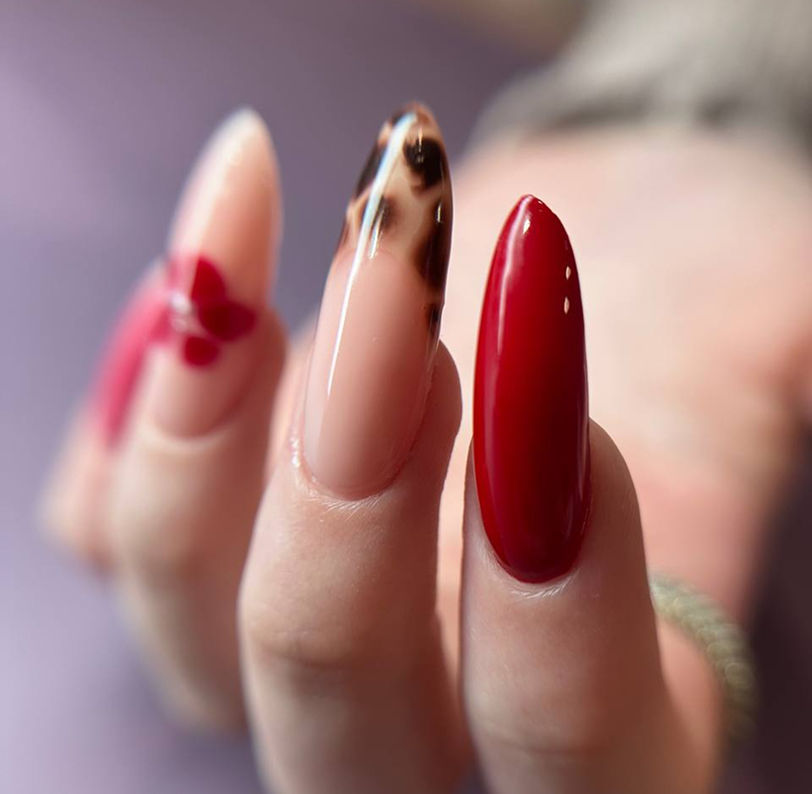
HEMA-free hard and soft builder gels are used for nail strengthening, structured overlays, and corrective nail work.

HEMA-free dip powder offers a durable finish without UV or LED curing, which may suit clients with lamp sensitivity.
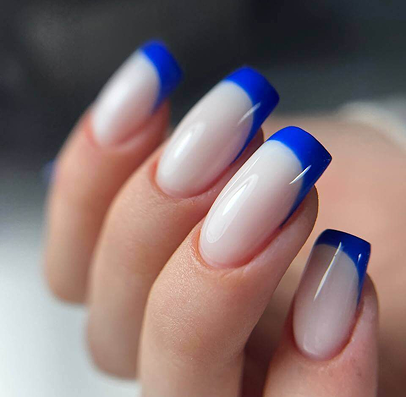
Precision e-file cuticle work is paired with HEMA-free gel application for a clean, detailed finish.
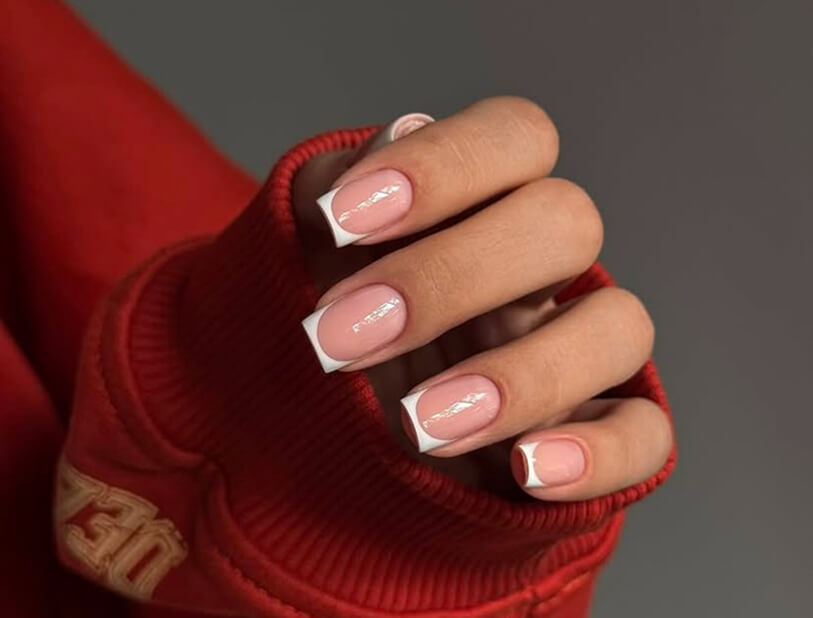
At Why Not Nails Academy, product safety is part of the curriculum, not a footnote.
Students learn how sensitization happens, why HEMA exposure can become career-ending, and how to evaluate products before using them on clients. That includes reading ingredient lists, understanding acrylate risks, and choosing materials that protect both the technician and the person receiving the service.
A nail technician should know more than application technique. Product literacy is part of professional skill.
HEMA, or hydroxyethyl methacrylate, is a bonding ingredient used in many gel nail products. It helps gel adhere to the natural nail, but repeated skin exposure can trigger allergic contact dermatitis.
HEMA-free gel polish does not contain hydroxyethyl methacrylate. The formula uses alternative bonding ingredients to support adhesion while reducing the risk linked to HEMA exposure.
Yes. Why Not Nails uses HEMA-free formulations for gel manicures, builder gel services, dip powder, and Russian manicures. This standard applies across both studio services and professional training.
HEMA sensitization creates an immune memory response. Once the immune system becomes sensitized, future exposure can trigger a reaction. There is no treatment that fully removes that sensitivity.
Yes, professionally applied HEMA-free gel polish can offer strong adhesion, smooth shine, and reliable wear. The product chemistry changes, but the service result should remain high-quality.
HEMA-free gel removes one major sensitizing ingredient, so it can reduce risk. It does not remove every possible allergy trigger because other acrylates may still be present in gel systems.
Why Not Nails is a HEMA-free nail studio in Brooklyn, NY. All gel-based services are performed with verified HEMA-free products.