Is Becoming a Nail Technician Right for You?
Before we talk about hours, exams, and applications, let’s answer the question that actually matters. Because the licensing process is straightforward. Deciding whether this career fits your life is not.
Why people choose this career
The demand is real. New York has one of the largest beauty markets in the country, and clients don’t stop getting their nails done in a recession — they might skip a vacation, but they keep their three-week appointment.
The entry is fast. New York requires 250 hours of approved training for a Nail Specialty license — one of the shortest licensing paths of any regulated profession in the state. Compare that to 1,000 hours for full cosmetology. If you want to work with nails specifically, you don’t need to spend a year learning haircuts you’ll never do.
You can work for yourself. Very few careers let you go from employee to booth renter to studio owner in a few years with relatively low startup costs. Nails is one of them.
The schedule bends around your life. Techs work mornings, evenings, weekends only, part-time around kids, full-time toward a business. The chair doesn’t care.
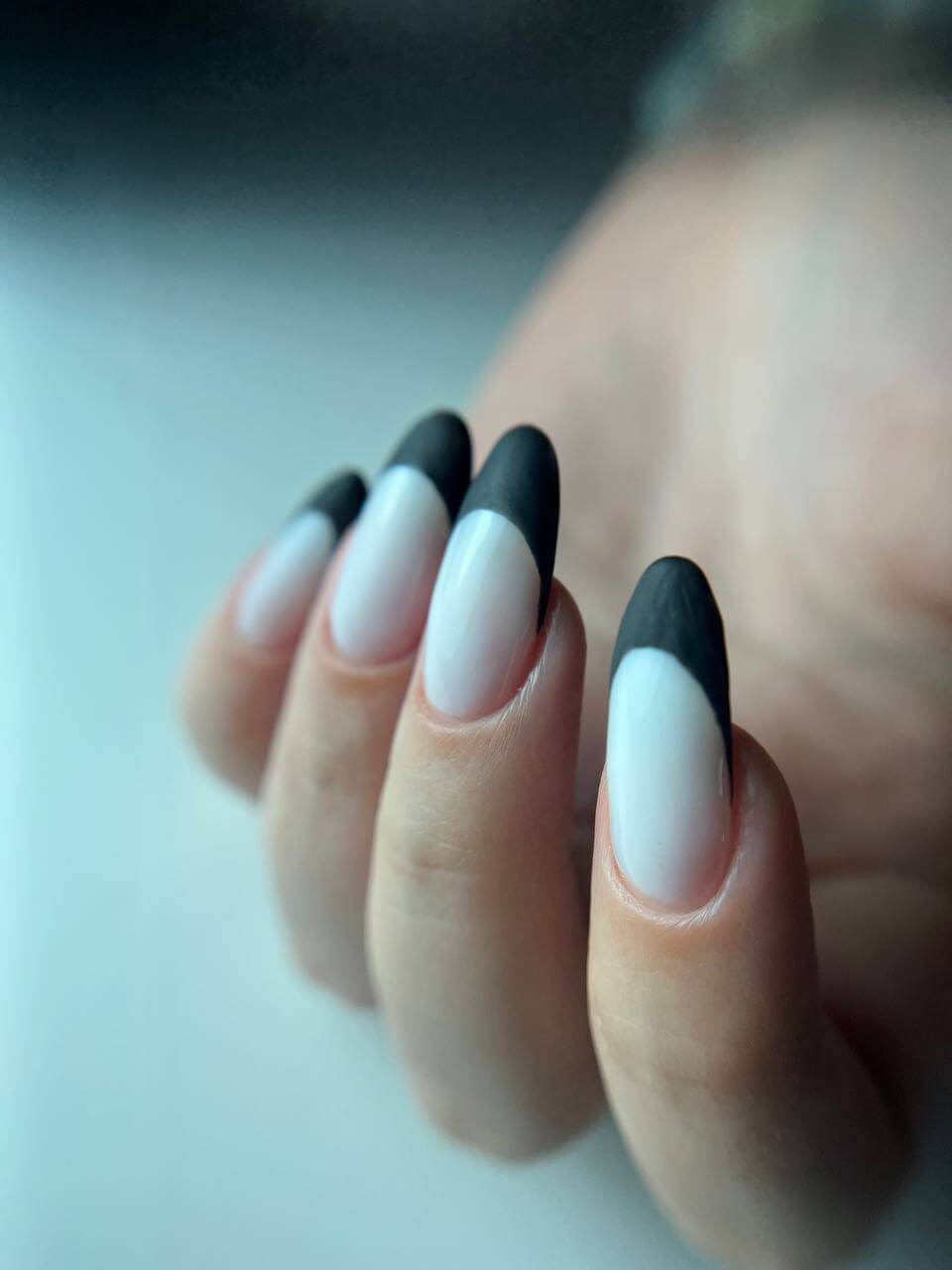
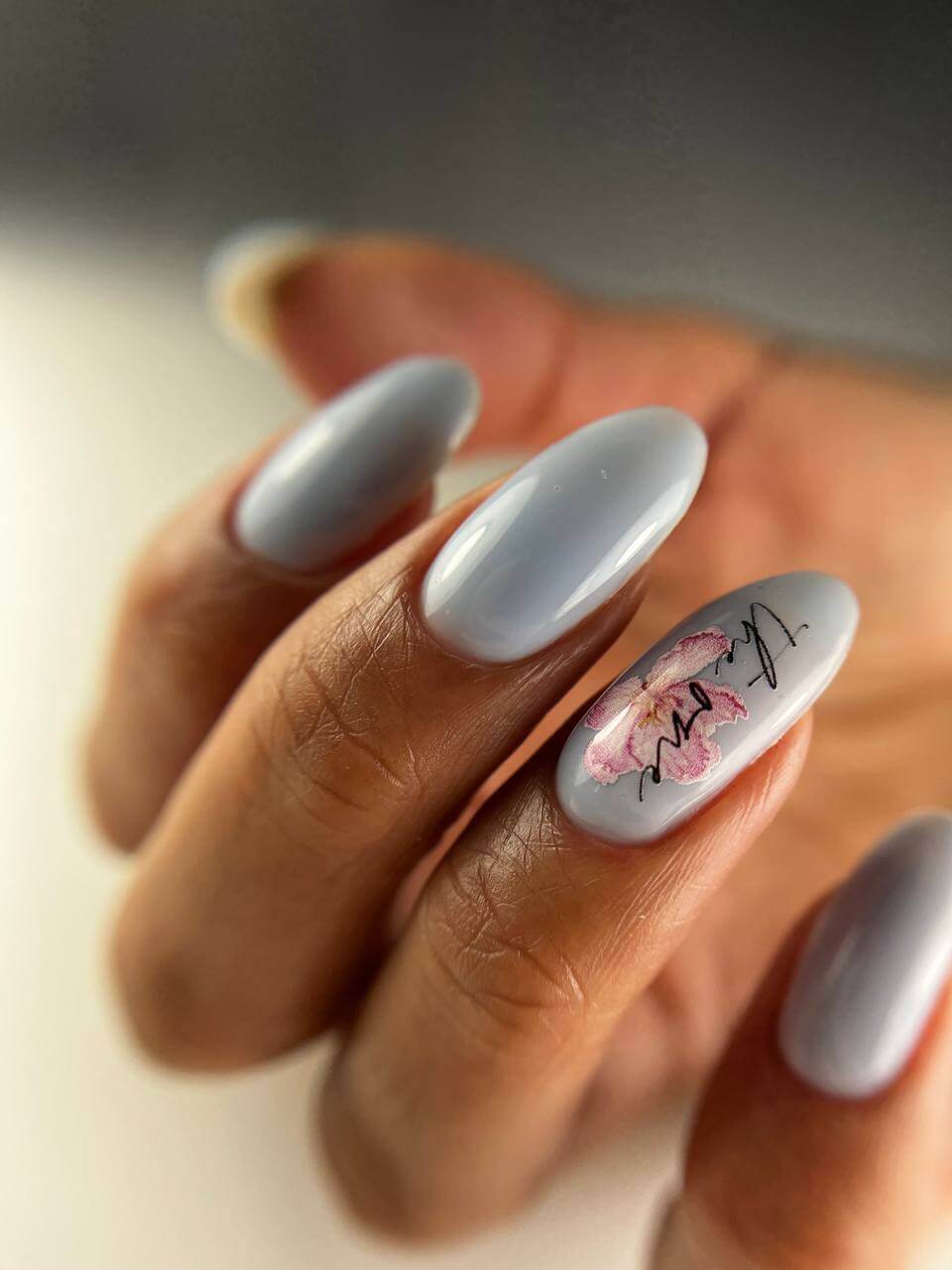
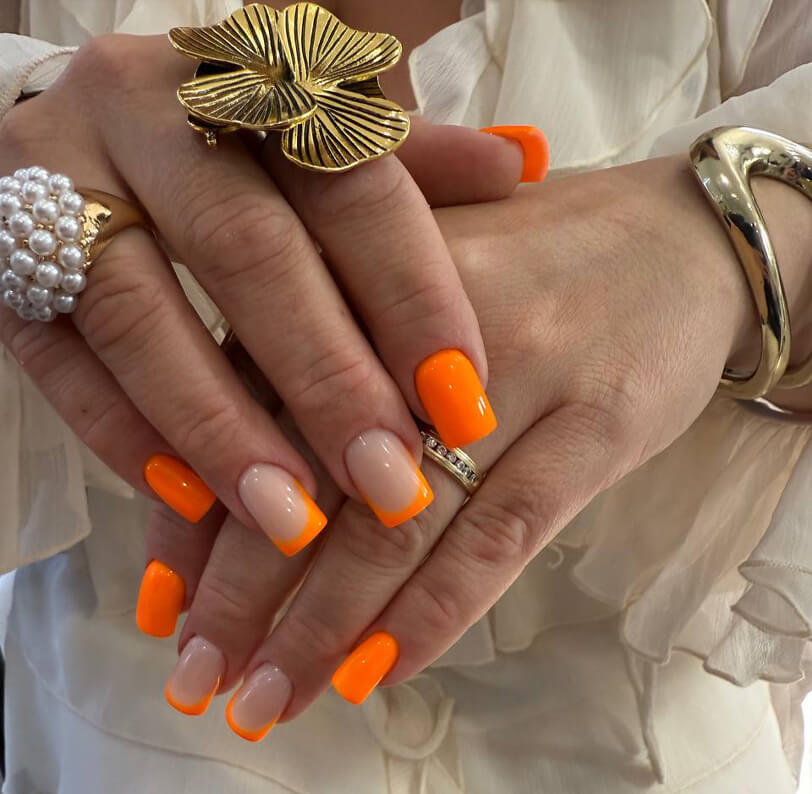
And it’s genuinely creative work. You’re building shape, structure, color, and finish on a tiny canvas, ten times per client. If you like working with your hands and seeing an immediate result, few jobs deliver that feeling as reliably.
Challenges to consider
Now the honest part.
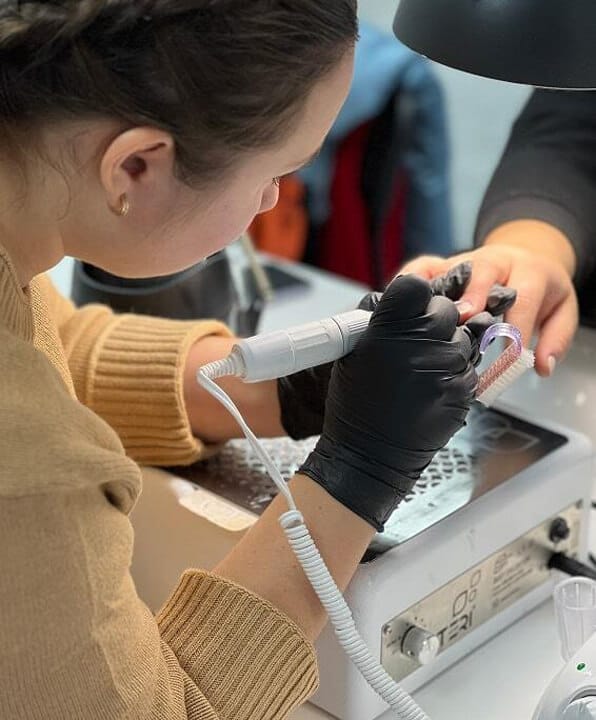
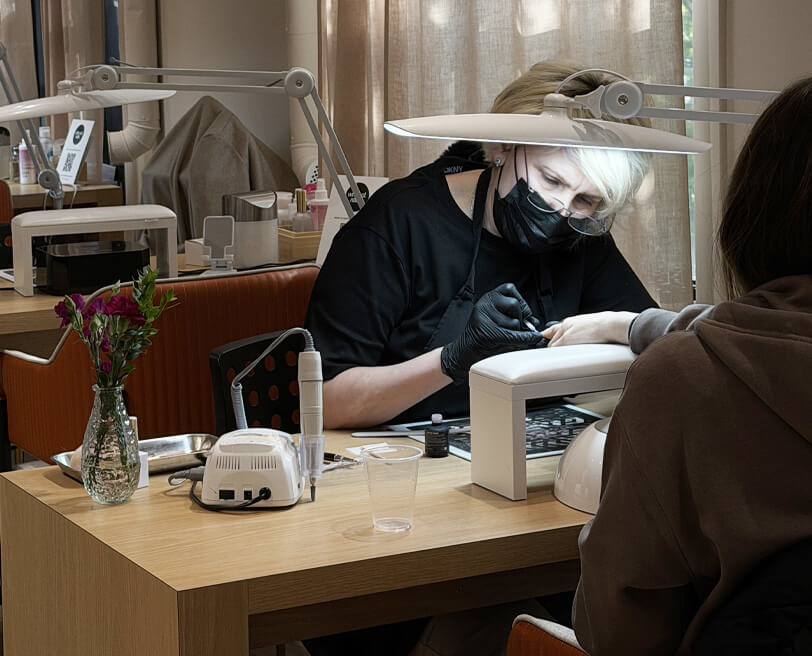
This is physical work. Your hands, wrists, back, and eyes work hard all day. Good posture, good lighting, and proper technique protect you — but nobody should tell you this job isn’t demanding on the body.
Clients are people. Most are wonderful. Some arrive late, change their mind mid-service, or show you a photo of nails that took someone else four hours and expect them in ninety minutes. Client communication is a skill you’ll build just like cuticle work.
The learning never stops. Products change, techniques evolve, and the standard on Instagram rises every year. Techs who stop learning around year two quietly plateau — in skill and in income.
And building a client base takes time. Your first months of work are slower and less profitable than your third year. Anyone who tells you otherwise is selling something.
Who usually succeeds?
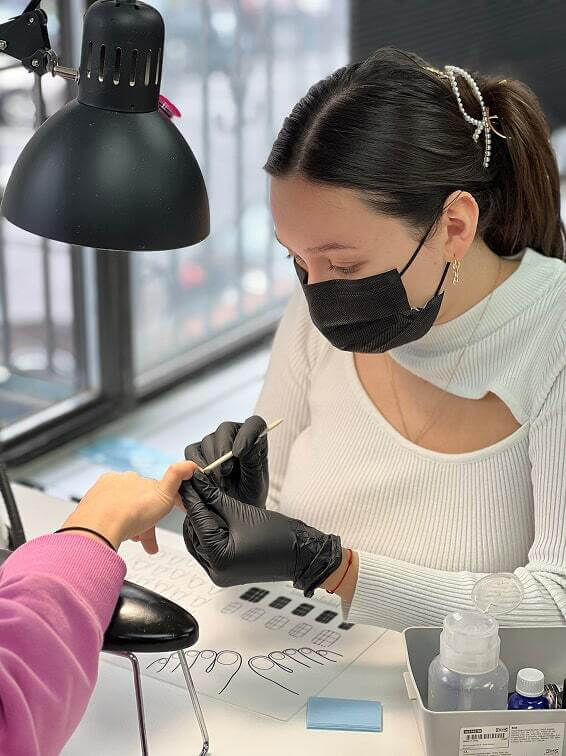
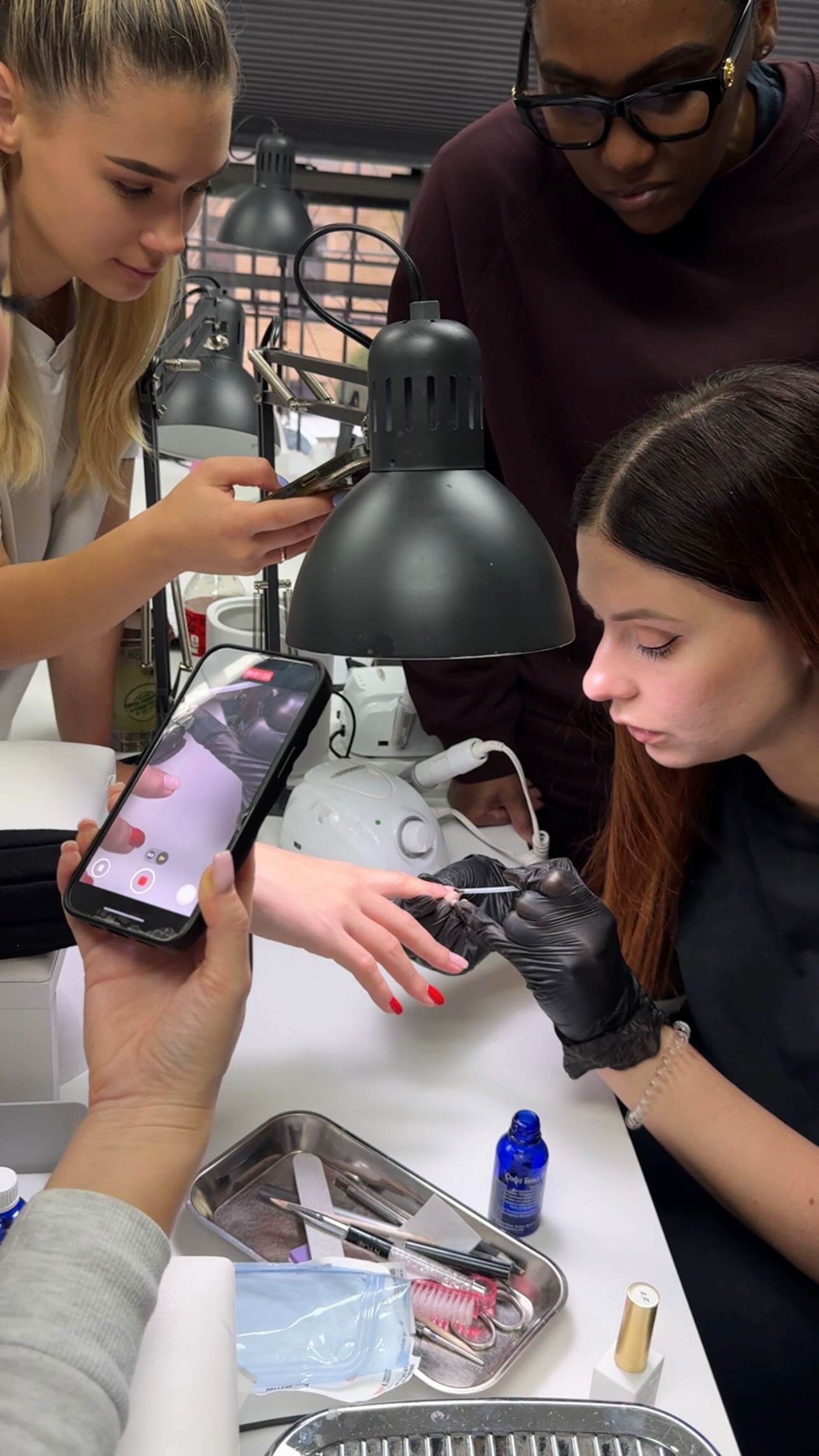
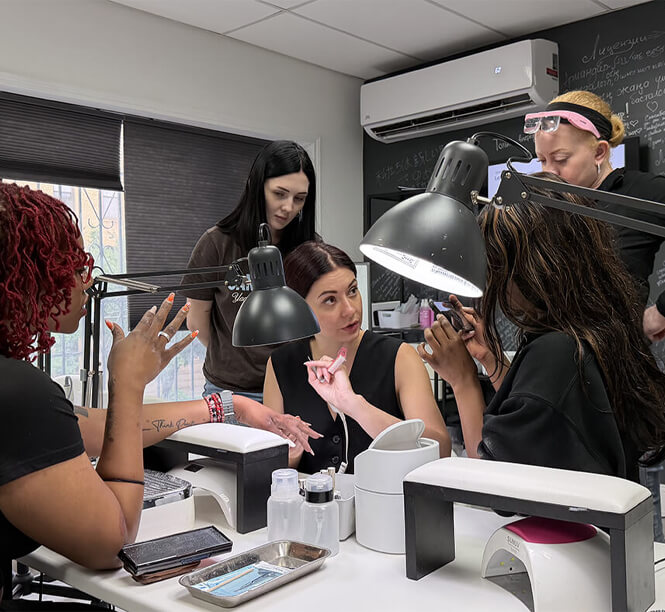
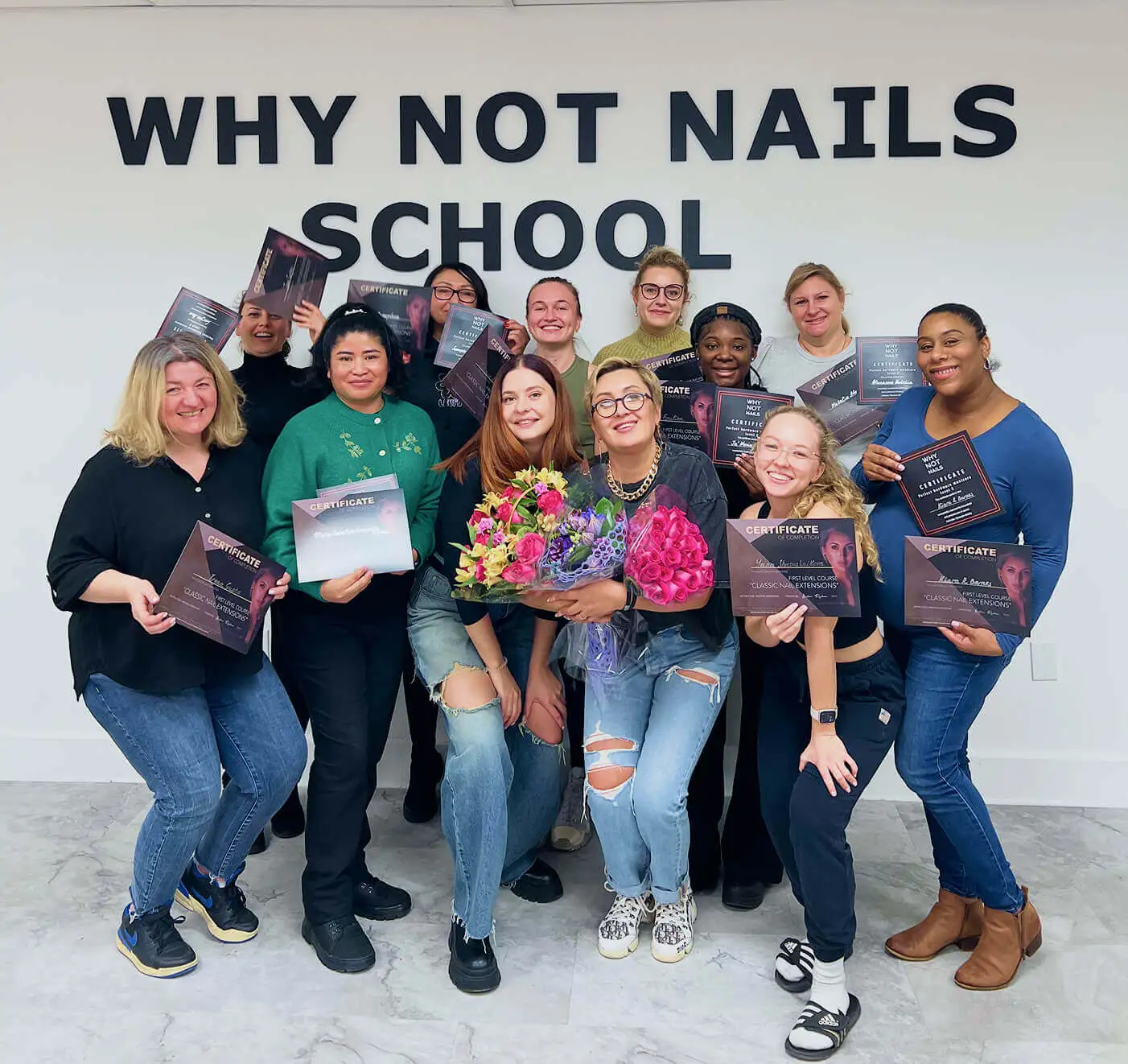
We’ve watched hundreds of students go through training, and the pattern is consistent. The people who thrive are patient with repetition — they’ll do the same cuticle motion two hundred times to get it right. They’re detail-obsessed in a healthy way. They actually like people, not just nails. And they treat the first year as an investment, not a payday.
Notice what’s not on that list: natural artistic talent. It helps, but we’ve seen “naturally talented” students get outworked by disciplined ones every single time.
Who may not enjoy this profession?
No judgment — just honesty, because it’s cheaper to find out now.
If you need every day to look different, the repetition may wear on you. If constant close-up detail work sounds tedious rather than satisfying, that feeling doesn’t usually go away. If you struggle with feedback, the early months will be hard, because correction is how technique is built. And if you’re looking for fast passive income — this is a craft. Craft pays well, but it pays the people who show up.
If this sounds like the right career for you, the next step is understanding exactly how the path works — from your first practice hand to your first paying client.
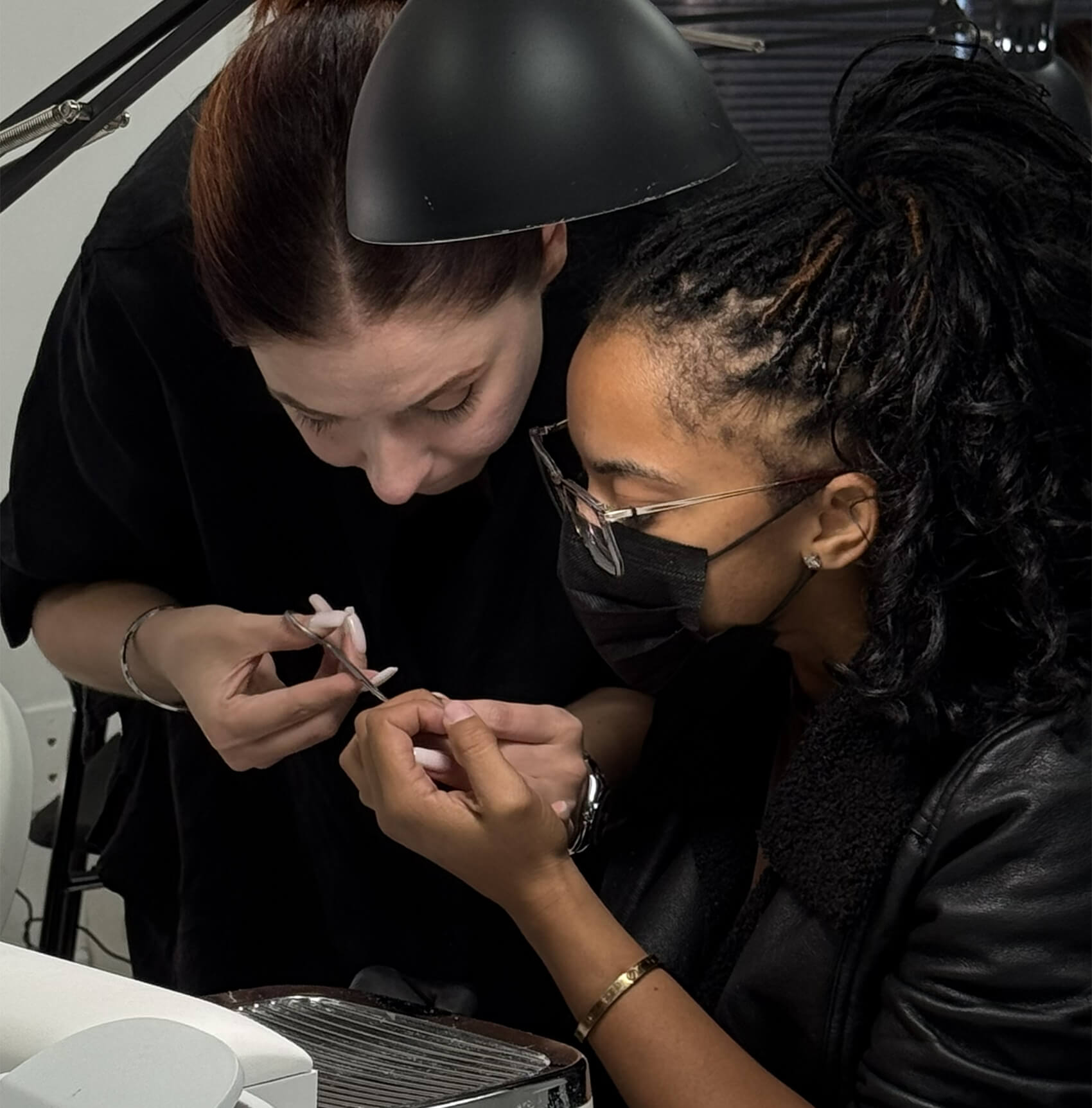
Still on the fence? Talk to an instructor. Tell us about your goals, ask your questions, and get honest guidance with no pressure to enroll.