View in
E-File Manicure Explained: Why It’s the Gold Standard for Prep
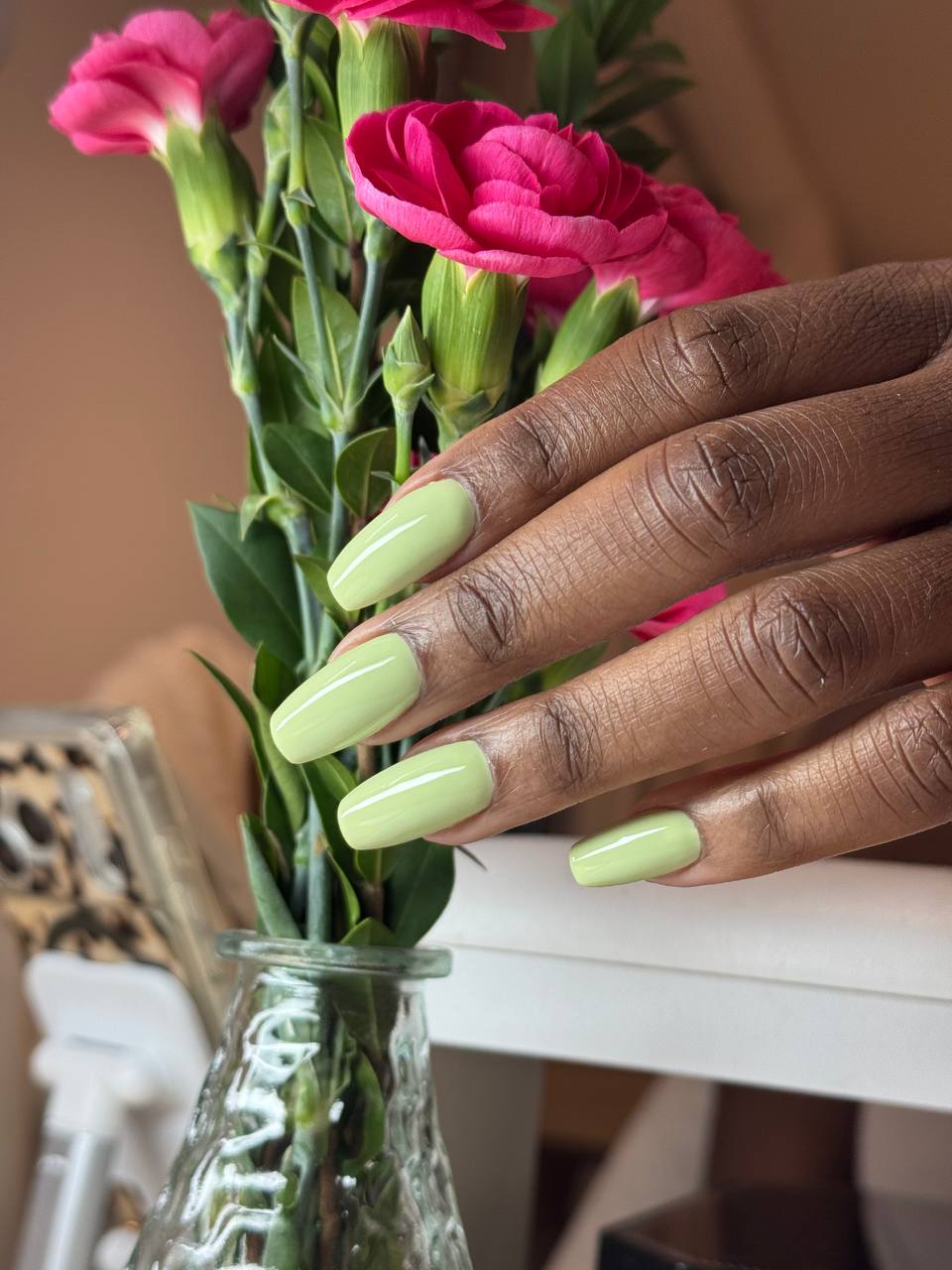
Two techs can use the same client, the same gel polish, and the same lamp.
Two weeks later, the results can look completely different.
One manicure still looks clean near the cuticle. The product is holding. The surface still feels smooth. The client is already planning her next appointment.
The other manicure has lifting, rough edges, small chips, or that annoying gap near the cuticle that makes the whole set look older than it is.
So what made the difference?
Most of the time, it started before the color ever touched the nail.
It started with prep.
That is where e-file manicure comes in. In advanced nail work, e-file prep is not a trendy extra. It is one of the core techniques behind clean, long-lasting, professional results.
An e-file manicure uses an electric file, often called a nail drill, for detailed cuticle preparation and nail surface work.
That is the simple definition.
But let’s clear up the biggest misunderstanding immediately: e-file manicure does not mean aggressively filing down the natural nail.
That is bad technique.
A proper e-file manicure is controlled, precise, and careful. The goal is not to thin the nail or “speed through” prep. The goal is to remove dead cuticle tissue cleanly, prepare the surface properly, and create the best possible base for product adhesion.
In skilled hands, e-file prep can be gentler and more consistent than manual prep alone. It allows the tech to work with more accuracy around the cuticle area and nail plate.
The tool itself is not the point.
The technique is.
A good e-file manicure depends on understanding pressure, angle, speed, bit selection, nail anatomy, and client sensitivity. Without that knowledge, the tool can cause damage. With proper training, it can completely change the quality of the finished manicure.
That is why e-file nail training matters so much for licensed techs who want to move beyond basic prep.
An e-file manicure has structure.
It is not just “pick up the drill and clean everything.”
Each step has a purpose, and each step depends on the condition of the client’s nails and skin.
The service usually starts by preparing the cuticle area.
Depending on the technique, the tech may soften or loosen the cuticle area so dead tissue can be identified and removed more cleanly. The goal is not to overwork the skin. The goal is to create a clear, safe working area.
This is where a trained eye matters.
Not every client has the same cuticle condition. Some clients have dry cuticles. Some have sensitive skin. Some have product residue. Some need very gentle work.
The tech has to read what is in front of them.
This is the part most people associate with e-file manicure.
Using the correct bit, pressure, and angle, the tech removes dead cuticle tissue with precision. The living skin should not be damaged. The natural nail should not be aggressively thinned.
This is where skill matters most.
A properly trained tech knows where to work, where to stop, and how much pressure is too much. The e-file should feel controlled, not scary.
Clients often notice the difference here, even if they do not know how to explain it. The cuticle area looks cleaner. Gel can be placed more precisely. The finished manicure looks sharper and more expensive.
Next comes surface preparation.
The shine is gently removed from the natural nail, and the surface is prepared so product can grip properly. If there is uneven texture, residue, or small areas that need attention, this step helps create a cleaner base.
Again, the goal is controlled prep.
Not damage.
Advanced nail prep is about preparing the nail plate correctly, not attacking it. A good tech understands how little pressure is actually needed when the technique is right.
Once the cuticle area and nail surface are prepared, the shape can be refined.
This might include cleaning the free edge, balancing the shape, or making sure all ten nails work together visually. Even small differences in shape can affect the final look.
This step is where technical skill starts to look like artistry.
Clients may not know why the manicure looks cleaner. They just know it does.
After e-file prep, the nail should be ready for product application.
The cuticle area is clean. The surface is prepared. The shape is controlled. The nail is ready for gel, overlay, or other product work.
This is the moment where good prep starts paying off.
Product application becomes easier because the base is better.
And when the base is better, the result usually lasts longer.
That is why this is not something to learn from one YouTube video at midnight.
You can watch the steps online. You cannot learn pressure, control, and correction from a screen alone. E-file technique requires real instruction and hands-on practice.
E-file manicure produces better results because it improves the foundation of the service.
A manicure is only as strong as the prep underneath it.
If prep is rushed, uneven, or incomplete, the product has a weaker base. Even expensive gel will not perform well on a poorly prepared nail.
Here is where e-file prep makes the biggest difference.
Product adhesion starts with the nail surface.
A properly prepped nail gives gel, polish, or overlay product a cleaner surface to bond to. When dead cuticle tissue remains on the nail plate, lifting becomes more likely. When the surface is not prepared evenly, wear can become inconsistent.
E-file prep allows the tech to work more precisely.
That precision can help reduce lifting, improve retention, and extend the life of the service.
Clients care about this because they do not want a beautiful manicure that starts failing before the next appointment.
Longer wear builds trust.
And trust builds rebooking.
The clean cuticle look clients see in high-end nail content is almost always connected to advanced prep.
That tight, polished, near-perfect finish does not happen by accident.
Basic manual prep can only go so far. E-file technique allows more detailed work around the cuticle area, which makes product application look cleaner and more seamless.
This is often the difference between a manicure that looks fine and a manicure that looks premium.
Clients may not say, “I love your prep work.”
But they will say, “My nails look so clean.”
That is prep.
Once mastered, e-file prep can also save time.
Not because the tech is rushing, but because the technique becomes more efficient. A trained tech can work cleanly and consistently without spending extra time fighting the same areas with manual tools.
For a busy salon professional, that matters.
Time affects your schedule, your energy, and your earning potential.
But speed should never come before safety. E-file efficiency only becomes valuable after the technique is correct. Fast bad prep is still bad prep.
The goal is clean, safe, repeatable work.
Consistency is one of the biggest signs of advanced work.
All ten nails should look like they belong to the same set. The cuticle work should be even. The surface should be prepared properly. The shape should feel balanced.
Electric tools, used correctly, can help create repeatable results across all ten nails.
That consistency is hard to fake.
It is also one of the reasons advanced salons treat e-file manicure as a serious foundational skill.
A lot of licensed techs wonder why they did not learn e-file manicure properly in school.
The answer is not that schools are useless.
The answer is that licensing programs have a different purpose.
Basic nail programs are designed to teach the foundation required to begin working safely. They usually focus on sanitation, basic manicure, basic pedicure, theory, infection control, and standard service procedures.
E-file technique requires more.
It requires hands-on instruction, correction, practice, and a deeper understanding of nail anatomy. A teacher needs to watch your pressure, hand position, bit angle, speed, and how you respond to different nail types.
That takes time.
It also carries responsibility. When an e-file is used incorrectly, the client’s natural nail or skin can be damaged. Because of that, many licensing programs stay with manual tools and basic prep. It is simpler to teach at scale and safer for beginners who are just learning how to work with clients.
That leaves a gap.
The license prepares you to begin.
Advanced nail prep prepares you to improve.
This is why advanced training academies exist. They teach the techniques that licensing programs usually cannot cover in enough depth.
E-file manicure belongs in that category.
It is beyond nail school, but central to modern salon work.
Self-teaching e-file technique can feel tempting.
The videos are everywhere. The tool is easy to buy. The steps look simple when an experienced tech does them on camera.
But that is exactly the danger.
Good e-file work looks easy because the person doing it has control.
Without proper training, a tech may use too much pressure, the wrong bit, the wrong speed, or the wrong angle. They may over-file the natural nail. They may irritate the skin. They may create heat or discomfort. They may think the prep looks clean while leaving behind the exact tissue that causes lifting.
This is why hands-on education matters.
Proper e-file nail training should cover:
That last one is important.
You need someone experienced to tell you what your hand is actually doing, not what you think it is doing.
Advanced academies like Why Not Nails teach e-file manicure as a foundational technique, not a flashy add-on. The goal is not simply to introduce another tool. The goal is to help licensed techs build cleaner prep, stronger retention, and more premium results through correct technique.
Because e-file work is not about the machine.
It is about the hand controlling it.
When a tech really learns e-file manicure, the service changes.
The work becomes cleaner. The cuticle area improves. Product placement gets more precise. Lifting becomes easier to understand and troubleshoot. The tech starts to see the nail differently.
This is where confidence begins to grow.
Not loud confidence.
Real confidence.
The kind that comes from knowing why the product will hold, why the prep is clean, and why the client’s nails look better than they did before.
Clients notice too.
They may not ask for “advanced nail prep” by name, but they will notice when their manicure lasts longer. They will notice when the cuticle area looks cleaner. They will notice when the service feels more polished.
That is why e-file manicure has become such an important skill for licensed techs who want to grow.
It affects the look.
It affects the wear.
It affects the client experience.
It affects the business.
A stronger foundation changes everything built on top of it.
E-file manicure is not a trend.
It is one of the foundations of advanced nail work.
When done properly, it creates cleaner prep, better product adhesion, more consistent results, and a higher-end finish clients can see and feel. But it has to be learned correctly. This is not a technique to guess your way through.
The tool is powerful.
The training is what makes it safe and effective.
If you are a licensed nail tech ready to move beyond basic prep, learn e-file manicure properly through Why Not Nails Academy’s advanced training programs.
Your work does not need more random tips.
It needs better technique.