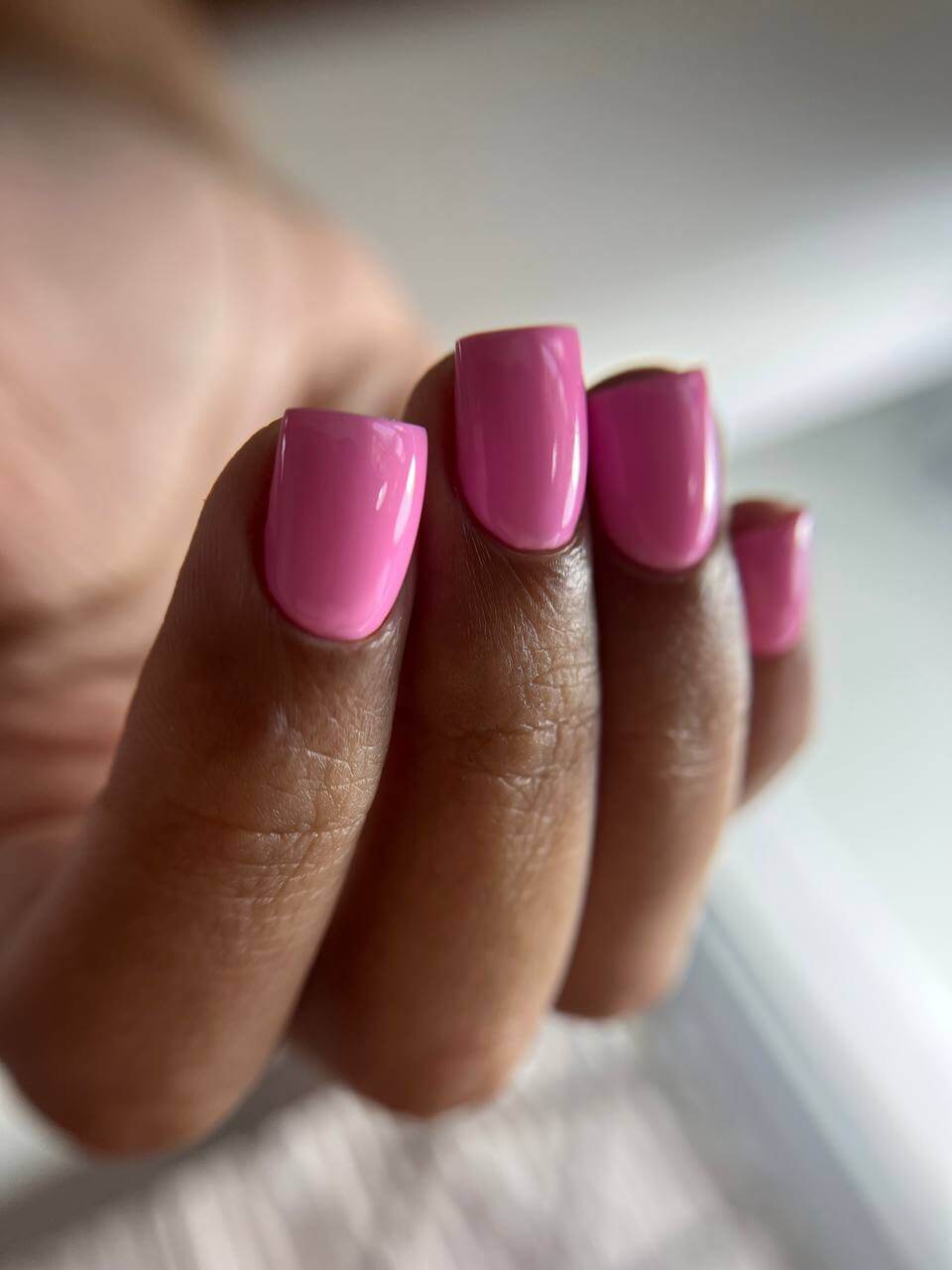
Gel Manicure
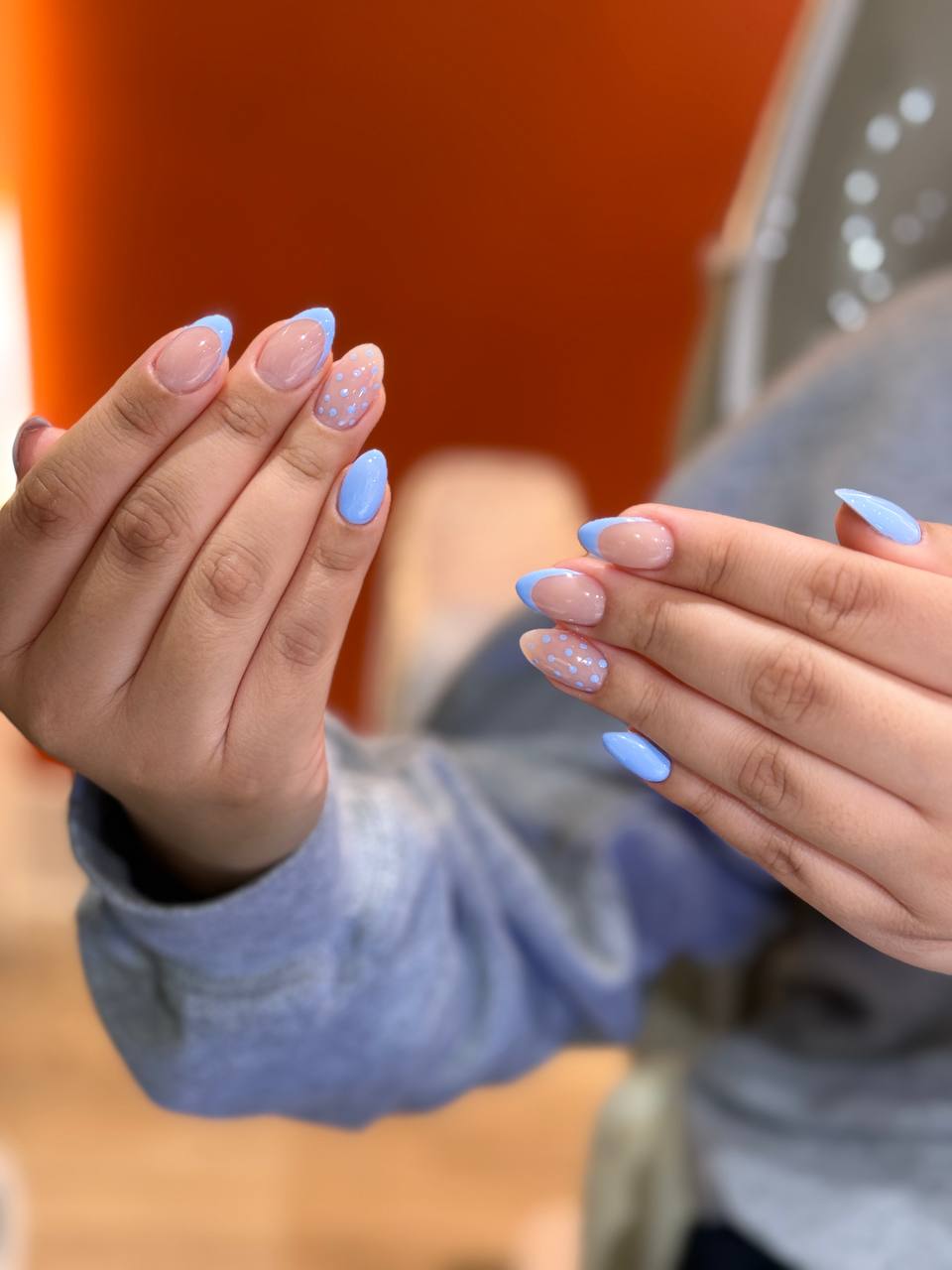
TPO-free gel polish is applied and cured under UV or LED light for a smooth, long-wearing finish without TPO exposure during the pre-cure stage.
All gel services at Why Not Nails use TPO-free formulations. That includes gel polish, base coats, top coats, builder gels, and hard gel systems.
TPO, or diphenyl(2,4,6-trimethylbenzoyl)phosphine oxide, is a photoinitiator used in many UV and LED gel nail products. Its job is to help gel cure under a lamp. The concern appears before full curing, when uncured gel can touch the skin around the nail.Why Not Nails excludes TPO from all studio products and training materials as part of our professional product safety standard.

TPO is a photoinitiator. In simple terms, it helps liquid gel harden when exposed to UV or LED light.
It is different from HEMA. HEMA is mainly used for bonding. TPO is used for curing. It absorbs lamp energy and starts the chemical reaction that turns soft gel into a hardened coating.
The risk is tied to timing.
Before the gel is fully cured, the product can sit on the nail plate, move slightly, or touch the surrounding skin. During that pre-cure window, TPO may come into direct contact with the proximal nail fold, sidewalls, or fingertip skin. Research has raised concern about its ability to penetrate the skin barrier during this stage.
Once gel is fully cured, the exposure pathway is different. The main concern is the uncured product before lamp exposure and during professional application.

TPO, listed as CAS 75980-60-8, is excluded from UV and LED-curing product components.

This applies to gel polish, base coats, top coats, builder gels, and hard gels.

Alternative photoinitiators are used to start the curing reaction under the lamp.

The service can still cure properly, wear well, and deliver a clean professional finish.
TPO-free does not mean the product no longer needs careful application. It means one higher-concern photoinitiator has been removed from the formula.
TPO has been assessed in the context of professional nail product use because of how gel services are applied.
The concern is specific:
This is not about panic. It is about product selection before the problem becomes visible. The professional standard is to remove avoidable risk wherever a safer formulation can deliver the same result.
Why Not Nails uses TPO-free products as a proactive safety decision.
TPO is still less familiar to many clients than HEMA. That does not make it irrelevant. The nail industry often waits until a compound becomes widely discussed before changing product standards. By that point, technicians and sensitive clients may already have had years of unnecessary exposure.
For clients, TPO-free products reduce exposure during the most sensitive part of the service: the window before the gel is cured.
For nail technicians, the issue is larger. A technician may handle uncured gel across several appointments a day, week after week. Over a full career, that repeated exposure matters. Product safety has to account for the person performing the service, not only the person receiving it.
Liza, Lead Instructor and Founder of Why Not Nails Academy, explains:
“TPO is where HEMA was several years ago. The science is already there, even if the public conversation is still catching up. Our standard is to review the evidence before the market forces everyone to react. Every product used in our studio is cleared against both HEMA and TPO, and every technician we train understands why.”
Why Not Nails is one of the few professional nail studios in Brooklyn to publicly commit to both HEMA-free and TPO-free standards across services and training.
Every product used at Why Not Nails must meet clear safety and performance requirements before it is approved for studio or classroom use.
Nail technicians face the highest exposure risk because they work with uncured gel constantly.
A client may receive a gel manicure every few weeks. A technician may apply, refine, and cure gel products many times in one day. Each service includes a pre-cure stage where product handling has to be precise.
TPO-free products remove one major photoinitiator concern from that daily work. For a professional who plans to stay in the industry long term, that is not a luxury. It is basic occupational protection.
At Why Not Nails, this principle is part of both service work and training. Students learn how to apply products correctly, and they also learn how to decide which products are safe enough to use in the first place.
TPO-free gel polish is applied and cured under UV or LED light for a smooth, long-wearing finish without TPO exposure during the pre-cure stage.

TPO-free builder and hard gels are used for structured overlays, nail strengthening, and corrective nail work.

Why Not Nails excludes both HEMA and TPO from gel services.
These compounds are different, and they create different concerns.
The chemistry is different. The professional conclusion is the same: remove avoidable sensitizers when safer alternatives are available.
A product can be HEMA-free and still contain TPO. A product can also be TPO-free and still contain HEMA. That is why Why Not Nails requires both exclusions at the same time.

At Why Not Nails Academy, photoinitiator safety is part of professional training.
Students learn what photoinitiators do, why TPO receives regulatory attention, and how to evaluate product claims beyond front-label wording. They also learn how ingredient choices affect both client safety and long-term technician health.
Technique matters, of course. A clean application, proper curing, and precise product control all matter. But product selection is also a professional skill.
A technician who understands chemistry can make better decisions, avoid weak product claims, and protect their career over time. That is the level of product literacy Why Not Nails expects from its graduates.
TPO, or diphenyl(2,4,6-trimethylbenzoyl)phosphine oxide, is a photoinitiator used in some UV and LED gel nail products. It helps start the curing reaction when gel is placed under a lamp.
TPO-free means the product does not contain diphenyl(2,4,6-trimethylbenzoyl)phosphine oxide. Other photoinitiators are used to cure the gel instead.
The main concern is uncured gel exposure. Research and regulatory review have identified TPO’s ability to penetrate skin before the gel is fully cured. The risk is higher for nail professionals because they handle uncured gel repeatedly.
Yes. Why Not Nails uses TPO-free gel polish, base coats, top coats, builder gels, and hard gel systems. This standard applies to studio services and training materials.
Some professional gel brands now offer TPO-free formulas, especially brands responding to stricter ingredient standards. Why Not Nails reviews every product before use and only approves formulas that meet both TPO-free and HEMA-free requirements.
No. HEMA-free and TPO-free refer to different ingredients. HEMA is a bonding monomer, while TPO is a photoinitiator. A product can exclude one and still contain the other.
HEMA-free products remove hydroxyethyl methacrylate, which is linked to acrylate sensitization through bonding ingredients. TPO-free products remove a photoinitiator linked to pre-cure skin penetration concerns. Both standards reduce avoidable exposure, but they address different parts of gel nail chemistry.