View in
Advanced Pedicure Techniques Clients Will Rebook For
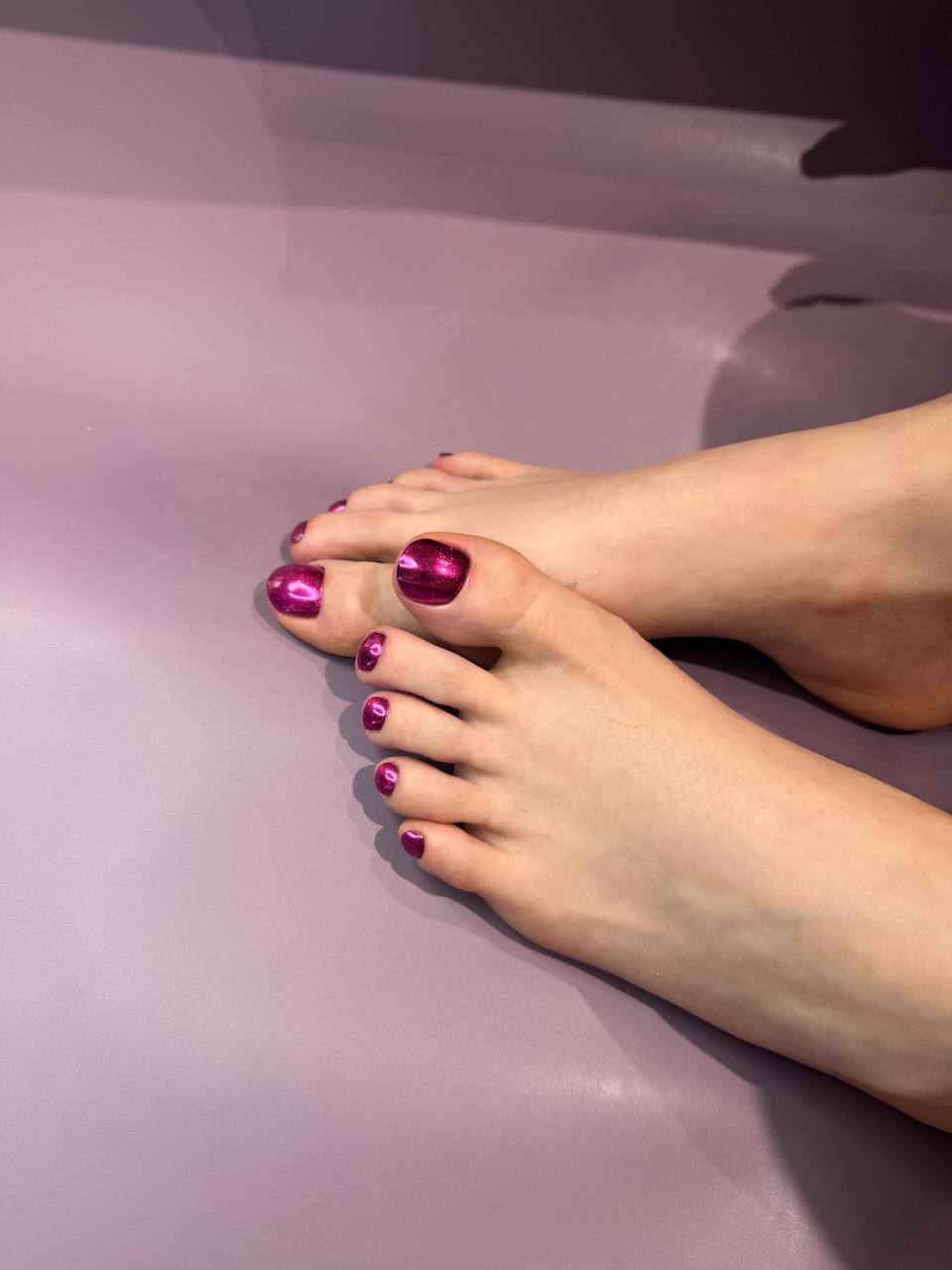
Rebooking is everything for a nail tech.
A new client is great. A client who comes back every four weeks is better. That is what creates rhythm in your schedule, trust in your work, and a more stable beauty career over time.
Pedicures can be one of the strongest rebooking services when they are done at an advanced level. The problem is that many techs were trained on a very basic pedicure protocol: soak, push, file, scrub, polish, done.
That may be functional.
It is also forgettable.
An elevated pedicure feels different. The client does not only leave with polished toes. She leaves feeling lighter, cleaner, more comfortable, and genuinely cared for.
That is the kind of service people remember.
Here is what advanced pedicure technique actually looks like.
A basic pedicure has its place.
It covers the expected steps. The feet soak. The nails get trimmed and shaped. The cuticles are pushed back. The skin is softened a little. Polish goes on. The client leaves looking more put together than when she arrived.
Nothing wrong with that.
But “nothing wrong” does not always create loyalty.
Today’s clients expect more from beauty services. They want the appointment to feel thoughtful, not automatic. They want their feet to feel noticeably better afterward. They want clean nail work, smooth skin, comfort, and a finish that lasts.
A standard protocol treats most clients the same.
Advanced work does not.
If your pedicure clients are not rebooking consistently, the issue may not be your personality, your polish colors, or your salon chair. It may be the technique behind the service.
Clients come back when they feel a difference.
That difference starts in the details.
Toenails are not tiny fingernails.
They have their own rules.
They grow differently. They sit under shoe pressure. They deal with walking, standing, workouts, tight footwear, and sometimes years of trimming mistakes. Treating every toenail with the same shape is one of the easiest ways to create a sloppy or uncomfortable result.
Advanced pedicure techniques for nail technicians start with knowing how to shape toenails correctly for each client.
Some clients need a cleaner square shape. Some need softened corners. Some need careful shortening because the nail grows into pressure. Some need you to avoid over-rounding because that can make future discomfort worse.
This does not mean diagnosing medical conditions.
That is outside the nail tech’s scope.
It means understanding professional shaping well enough to avoid creating problems. The goal is a clean, balanced toenail that looks polished and feels comfortable as it grows out.
Clients may not know the phrase “toenail architecture.”
They will know when their toes look cleaner and feel better in shoes.
That matters.
Cuticle work can make or break a pedicure.
Done well, it creates a clean, polished nail plate and a more refined finish.
Done aggressively, it can leave the client sore, irritated, or nervous about coming back.
Advanced cuticle work is precise and gentle. It is adapted to the individual client, not performed with the same pressure on everyone.
Some clients have dry buildup around the nail. Some have sensitive skin. Some have very little cuticle work needed. Some need careful cleanup around the sidewalls. The tech’s job is to read the area before touching it.
This is where professional pedicure skills really show.
A beginner may think more removal means a better pedicure. An advanced tech knows better. The goal is not to attack every bit of skin. The goal is to clean what needs cleaning and protect what should not be disturbed.
Clients feel the difference.
This is where pedicure work starts feeling therapeutic.
Not medical.
Therapeutic in the client-experience sense.
A client may come in with dry heels, rough pressure points, callus buildup, or skin that feels tired from standing all day. A basic scrub may make the feet feel softer for a moment, but advanced work looks more closely at what is actually happening.
Targeted skin care means adapting the service.
Not every client needs the same exfoliation. Not every callus should be worked the same way. Not every dry heel needs more force. Sometimes the better choice is softening, controlled removal, hydration, and realistic home-care advice.
This is where many pedicures become memorable.
The client stands up afterward and feels the difference.
Her feet feel smoother.
Her shoes feel more comfortable.
The dry areas look improved without feeling overworked.
That feeling is powerful because it is physical. She does not have to study the polish to know the service was good. Her feet tell her.
That is what drives pedicure client retention.
Polish on toenails is not the same as polish on fingernails.
It seems obvious, but many techs treat it the same way.
Toenails are smaller, shaped differently, and often have more texture or growth variation. The client also needs the polish to last through shoes, friction, water, socks, vacations, and everyday movement.
Finishing technique matters.
Clean application on toenails requires control. Saturation has to be even. Layers should not be too thick. The sidewalls need care. The free edge needs sealing when appropriate. The final result should look crisp, not flooded or bulky.
A sloppy finish can undo an otherwise good pedicure.
Clients may love the foot care, but if the polish looks messy after two days, that is what they remember.
Advanced finishing creates that final “yes” moment.
That little moment is good for business.
Clients come back when they feel results.
A pretty polish color helps, but it is not enough by itself.
Advanced pedicure technique creates a stronger reason to return because the client feels the service beyond the surface. Her feet feel better. Her nails look cleaner. Her skin feels smoother. The appointment feels more thoughtful than what she usually gets elsewhere.
That is the kind of difference clients talk about.
They might say:
Those comments are not random.
They come from technique.
Pedicures can become part of a client’s routine when the service feels worth repeating. Some clients will book every four weeks because their feet feel better when they stay consistent.
That is the goal.
Not one impressive appointment.
A service experience that makes rebooking feel obvious.
A lot of nail techs put more energy into manicures, extensions, or nail art.
Understandable.
Those services get more attention online. They photograph better. They look more exciting on a feed.
Pedicures are quieter.
But quieter does not mean less valuable.
A strong pedicure service can create deep client trust because it is personal. The client is letting you care for an area many people feel self-conscious about. Comfort, cleanliness, and confidence matter a lot.
When a tech treats pedicure work like a basic add-on, the client feels that.
When a tech treats it like a skilled service, the client feels that too.
Advanced pedicure training helps techs see the service differently.
Not as filler.
Not as “just feet.”
As a loyalty-building service with real technical depth.
That mindset changes the appointment.
Advanced pedicure techniques are usually not covered deeply in standard licensing programs.
Most basic training focuses on safety, sanitation, and the general service protocol. That foundation matters, but it does not usually teach the deeper technique needed for elevated pedicure work.
To learn advanced pedicure properly, techs need hands-on instruction.
They need to understand foot and toenail anatomy at a practical level. They need to learn tool control, pressure, safe boundaries, skin assessment, shaping decisions, and when a client should be referred to another professional.
That last part matters.
Advanced training does not mean overstepping your scope.
It means knowing your scope clearly and working inside it with more skill.
Why Not Nails Academy includes pedicure technique as a core part of advanced training because the service deserves that level of attention. Techs need real practice, instructor feedback, and clear correction to build confidence.
You cannot fully learn this by watching someone do a pedicure online.
You need someone to watch what your hands are doing.
Clients do not always notice technique in technical language.
They notice comfort.
They notice care.
They notice when the service feels organized and intentional.
A client may not say, “Your callus management was adapted perfectly to my pressure points.”
She will say, “My feet feel so good.”
That is enough.
Clients notice when:
That last part is important.
Pedicure clients can feel vulnerable. A skilled tech knows how to be professional, warm, and practical without making the client uncomfortable.
That kind of client care creates loyalty.
Technique brings them in.
Trust brings them back.
Pedicures are not filler services.
Done at an advanced level, they can become one of the strongest loyalty builders in a nail tech’s career.
Advanced pedicure technique gives clients something they can feel immediately: smoother skin, cleaner nails, better comfort, and a more thoughtful experience. That kind of result makes rebooking feel natural.
If you want clients to return consistently, look closely at your pedicure work.
Is it basic?
Or is it memorable?
Learn advanced pedicure technique through Why Not Nails Academy’s training programs and start treating the pedicure as the high-value service it can be.