View in
Why Some Nail Techs Can Charge $100+ While Others Struggle to Charge $50
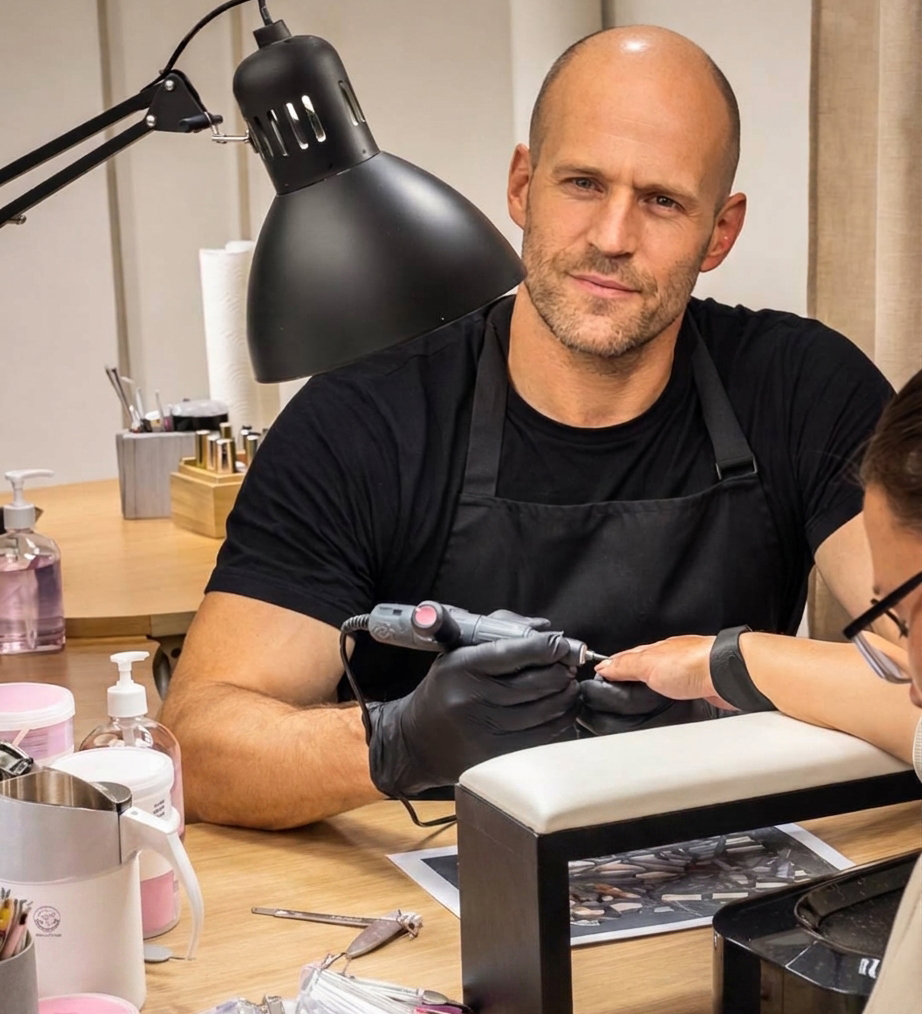
Picture two nail techs in the same neighborhood. Similar years behind the table, similar training on paper, both booked most days. One charges $55 for a set and sweats every time she nudges it up a few dollars. The other charges well over $100 and has a waitlist to prove people are fine with it.
So what’s the actual difference? It isn’t luck, and it usually isn’t location doing the heavy lifting. I’ve seen techs in the same building, sometimes the same salon, land on opposite ends of that gap. The price a tech can hold comes down to a handful of things that have very little to do with how long she’s been licensed.
Here’s the thing most people get wrong about nail technician pricing: clients are not paying for the ninety minutes you spend at the table. They’re paying for what’s on their hands when they walk out, and how long it stays that way.
Break down what actually sits inside a premium price:
A client rebooks the person who saves her from thinking about her nails for a month. That feeling is the product. The polish color is almost beside the point.
Once you understand what people are really buying, the next move gets obvious. A generalist competes with every other generalist in a five-block radius, and the only lever left in that fight is price. That’s a losing position and it’s exhausting.
Specialization pulls you out of it. Become known for a specific technique and a few things shift:
That’s the real mechanics of how to charge more as a nail tech. Not a pep talk about confidence, not a slow five-dollar creep every six months. You give people a reason to seek you out by name.
Russian manicure is one of the clearest routes into that higher-end category, so let me be exact about why. It’s a dry technique, no soaking. The cuticle area gets refined with an e-file, and the nail plate is prepped with a degree of control a standard soak-off manicure just doesn’t reach.
What that produces, and why it slots into the premium end of the market:
There’s a supply side too, and it matters. The technique is hard to do well, e-file control especially takes real time to build, so relatively few techs offer it to a high standard. Scarcity plus visible results is precisely the combination that supports a premium price. This is where specialized Russian Manicure training earns its keep, because you cannot fake steady e-file hands and clients can tell the difference within one appointment.
Now the honest part, because I don’t want to sell you a fantasy. Finishing a course does not, on its own, justify doubling your prices. A certificate on the wall means very little to the person in your chair.
The skill has to actually land. Here’s what needs to be true before a higher number sticks:
| What you have after training | What the price increase actually needs |
| The technique, roughly | The technique, consistently, on real hands |
| A few good practice sets | A portfolio of your own clean results |
| A new service on your menu | A service clients recognize as worth more |
| Confidence to charge more | Repeat bookings that prove the value held |
A high-end nail technician is not someone who took an advanced class once. She’s someone whose work is reliably clean, whose portfolio shows it, and whose clients come back because the last set actually lasted. Training opens the door. What you do in the months after is what moves your pricing, and it moves in step with your rebooking rate, not ahead of it.
So the realistic path looks like this:
Add a specialized, higher-value service and raise prices once your results stay consistent. Clients who value clean, long-lasting work usually stay, and they refer people who want that same standard.
Precision, structure, and longevity. A premium set has clean cuticle work, holds up for weeks without lifting, and looks deliberate up close. People pay for the result, not the appointment length.
Yes. A specific, in-demand skill makes you harder to replace and moves you off competing purely on price. Clients seek you out by name, which lets you hold a higher number.
It’s one of the strongest options. The detail and difficulty support premium positioning, but only real training and consistent results will let you actually charge and keep those prices.