View in
Burned Out in Your First Year: Why Good Nail Techs Leave the Industry
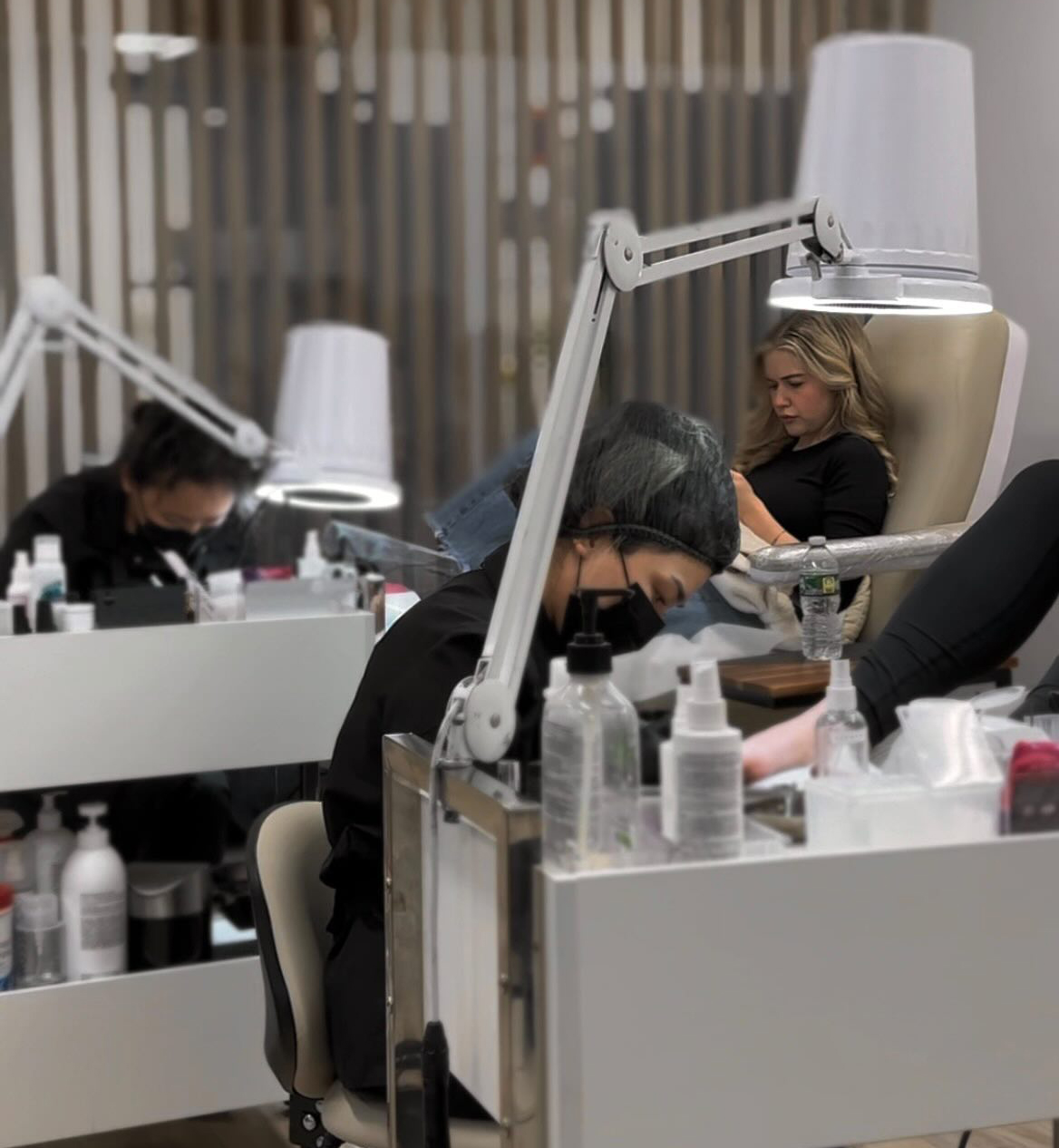
The first few months are honestly exciting. You’ve got your license, your kit, maybe a chair somewhere, and you’re ready to build a name. Every new client feels like a small win, so you say yes to all of them, because that’s how you grow.
Then the calendar fills up, and the numbers stop making sense. Ten-hour days, a tiredness that sleep doesn’t quite fix, and a bank balance that looks nothing like what all those bookings seemed to promise. Around month eight or nine, a lot of genuinely talented people start wondering if they picked the wrong career.
Here’s the part nobody warns you about. Nail technician burnout in the first year is common, and it almost never comes down to a lack of skill. It comes down to how the business gets built underneath the skill. That’s the good news, actually. A business problem has a fix.
Nail tech burnout usually traces back to a handful of predictable business mistakes, not to the work itself. Here’s where the time and energy quietly leak out:
Add it up and you get a day that’s technically full and financially thin. A great set of hands doesn’t save you from a schedule built this way.
Low prices feel safe when you’re starting out. They fill the book fast, and a full book feels like success. The trap shows up a month or two in.
The cycle runs like this:
You end up busier and more exhausted every month while the income barely moves. The lever you reached for, price, is the exact one keeping you stuck. And competing on price has no floor. There’s always someone nearby willing to charge less, so it’s a race you can’t actually win by running harder.
The way out isn’t more hours. It’s raising what a single appointment is worth, and that’s really the heart of how to avoid burnout as a nail tech. A higher-value service lets you see fewer people, protect your body, and still take home more.
Specialization is what makes that possible. When you offer something most techs nearby don’t do well, clients come to you for that specific result, and the price conversation changes on its own.
Russian manicure is a solid example, so let me be exact about it. It’s a dry technique, no soaking. The cuticle area gets refined with an e-file, and the nail plate is prepped with a level of control a standard soak-off manicure doesn’t reach. What clients get:
A service that lasts a month and looks that clean supports a higher price without argument. The technique is hard to do well, which keeps it scarce and valuable, and that’s exactly why proper Russian Manicure training matters. E-file control isn’t something you absorb from clips. It takes structured, hands-on practice with someone correcting your angle in real time.
A long nail technician career gets built on structure, not on maxing out every open slot. A few habits make the difference between year one and year ten:
Usually a business setup problem. Underpricing, overbooking, and untracked setup and cleanup time create long days for thin pay. Skill stays fine; the schedule and pricing are what break.
Enough to stay consistent without wrecking your body. Plan buffers between clients for cleanup and overruns. A packed ten-hour day with no gaps isn’t sustainable past the short term.
Some, and often the ones who drain you most. Clients who value clean, long-lasting work tend to stay, and a higher rate means you need fewer bookings to earn the same.
Set a daily client cap, keep buffer slots between services, and enforce a clear cancellation policy. Protecting the gaps in your schedule protects both your income and your energy.