View in
Fully Booked but Still Broke: Why a Busy Nail Tech Can Make Less Than They Think
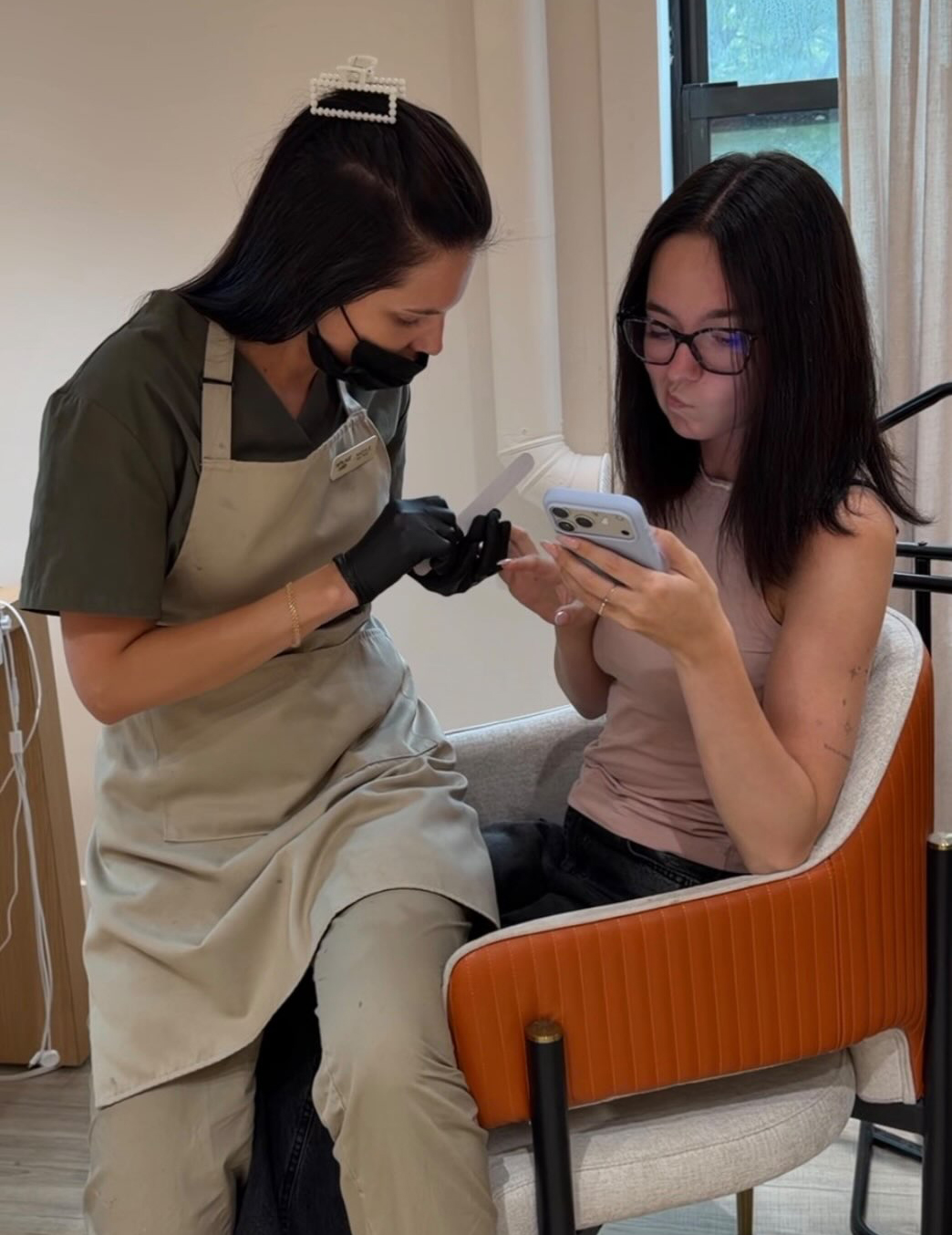
The schedule is full. Every slot booked, a couple of people on the waitlist, and you barely sit down between clients from open to close. That should mean a good month. Then payday comes, you actually add it up, and the number is lower than a week that busy has any right to produce.
A lot of techs hit this wall and assume they did something wrong. They didn’t. Busy and profitable are not the same thing, and I’ve watched skilled people confuse the two for years, working themselves flat while the earnings barely move.
If you’ve felt fully booked and still broke, here’s the thing worth sitting with: a packed calendar and a real nail technician income run on different rules. A full day of low-priced work can leave you exhausted with not much to show. Understand what’s actually driving the number, and it’s fixable.
On paper, obvious. More clients, more money. In the chair it rarely works that cleanly, and most of the reasons have nothing to do with effort:
Stack those up and the ceiling becomes obvious. A full schedule, by itself, only takes your nail technician income so far, and then it just stops.
If the hours won’t stretch any further, the question flips. Not “how do I fit in more people,” but “what is each appointment actually worth.” For me that reframing was the whole answer to how to make more money as a nail tech, and it took me longer than I’d like to admit to get there.
Picture two versions of the same Tuesday:
Same day. Fewer hands. Bigger total. That’s what a higher-ticket service does. It buys back your time instead of spending more of it. And the way you get there is specialization: you offer something most techs nearby don’t do well, clients come specifically for that result, and your prices stop being a negotiation.
Russian manicure is the clearest example I know, so let me be precise about what it is and why people pay for it. It’s a dry technique, no soaking. The cuticle area gets cleaned and refined with an e-file, working the nail plate and the tissue around it with a level of control a soak-off manicure doesn’t reach.
What a client actually gets, and notices:
Once someone gets three, four weeks out of a set that still looks clean at the cuticle, the price stops being the conversation. They’ve felt the value. In my experience the client who used to flinch at the number becomes the one who books the next appointment before she’s out the door.
There’s a supply side to this too. The technique is genuinely hard, e-file control especially, so few people do it to a high standard, and that scarcity holds the price up. Which is exactly why the Russian Manicure training has to be real. You do not build steady e-file hands off videos. It takes structured, hands-on practice with someone standing over your shoulder correcting the angle before a bad habit sets in.
Moving up a price tier is a process, not a switch you flip, and it rewards people who aren’t in a rush. Three things carry it:
That third point is really the whole answer to how to charge more as a nail tech. People pay premium prices for work they can count on, week after week, not for a one-off.
Formal training is the natural next step here. It hands you a specific, in-demand skill and a straight reason to raise your prices the moment you can deliver on it. We teach this in Brooklyn, both a one-day Russian manicure workshop for testing the water and a full Russian Manicure Foundation Course, and both put you on real models rather than practice fingers.
Because a full book of low-ticket services has a low ceiling. Long appointments, station gaps, and cancellations quietly drain the day, so raising your average ticket usually beats adding more hours.
Introduce one specialized, higher-value service, then lift prices once your results are consistent. Clients who care about clean, long-lasting work tend to stay, and they refer people who want the same.
Yes. It’s a premium, in-demand service that prices high because of its exact finish and longer wear. Solid training is what lets you actually deliver it and charge for it.