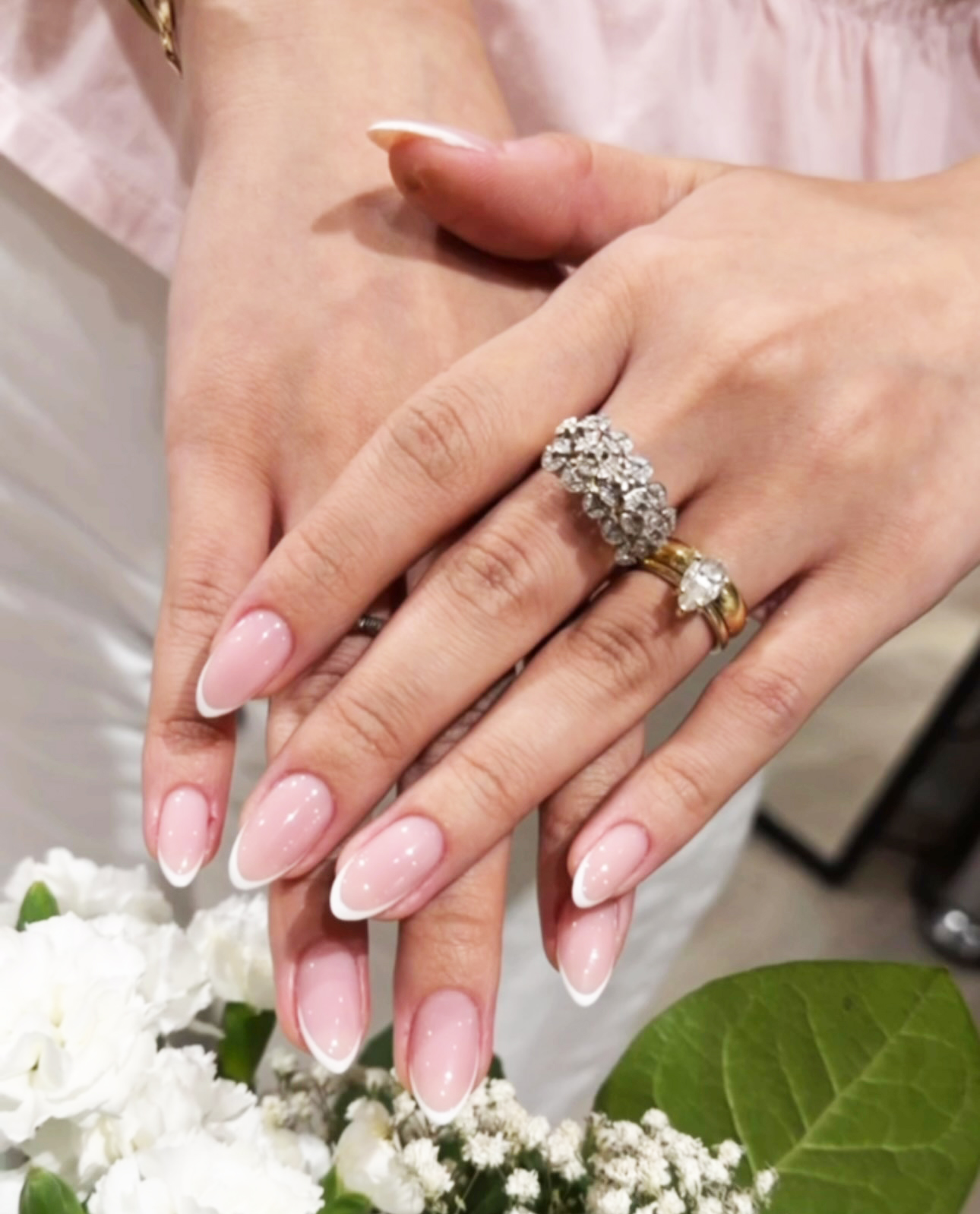
A client leaves the salon with clean cuticle work, smooth structure, and fresh color. Three days later, there is a message: one corner chipped, the skin feels dry, or somebody has started picking at a tiny lifted edge.
Sometimes the service failed. Quite often, though, what happened after the appointment played a part.
That is why russian manicure aftercare should be treated as part of the service itself. Clients do not need a five-minute speech. They need a short, repeatable set of instructions they can actually remember once they leave the chair.
One technical point is worth clearing up first. Properly cured gel should already be fully cured under the lamp before the client leaves. There is no extra 48-hour “curing period” at home. The first two or three days still deserve extra care because the surrounding skin has just been worked on and fresh product is immediately being exposed to water, cleaning chemicals, impact, and daily habits.
A good aftercare conversation helps protect the manicure. It also cuts down on avoidable complaints later.
Why the First 48–72 Hours Deserve Extra Attention
Russian manicure preparation is detailed. The proximal nail fold and surrounding skin may have been carefully cleaned and refined, and that area can feel drier or more sensitive afterward, especially on clients who already have dry skin.
Then the client goes back to normal life.
They wash dishes. Take long showers. Open cans with their nails. Clean the bathroom without gloves. Pick at a tiny rough edge while watching TV.
That is usually where the trouble starts.
The product itself should be properly cured and stable. What you are trying to protect during those first days is:
- freshly worked skin around the nail;
- the clean product perimeter near the cuticle;
- free edges that are suddenly being put back under daily stress;
- any nail that was already weak, thin, or previously damaged.
I usually think of the first 48–72 hours as the period when clients are most likely to test a new manicure without realizing it.
A simple reminder before they leave can prevent a surprising amount of damage.
What Clients Should Avoid
You do not need to hand clients a long list of restrictions. A few clear points are enough.
Long Soaking
Normal handwashing is fine. Clients do not need to keep their hands dry for two days.
Long exposure to hot water is different.
Extended baths, repeated soaking, and long periods with hands submerged can soften the natural nail and surrounding skin. That repeated swelling and drying is not ideal for any manicure.
Tell clients to keep ordinary hygiene normal and avoid unnecessary prolonged soaking.
Picking at Edges
This one causes more damage than people admit.
A client notices a tiny edge, catches it with another nail, and starts lifting the product. Once that begins, it becomes very easy to peel away more than intended.
The problem is not only the manicure. Peeling product can take superficial layers of the natural nail with it.
The instruction should be simple:
If something lifts, do not pull it. Contact your technician.
That sentence is worth repeating every appointment.
Cleaning Without Gloves
Cleaning chemicals can dry the skin and expose the manicure to repeated moisture and chemical contact.
Dishwashing is another common issue. The combination of hot water, detergent, and prolonged soaking is hard on hands in general.
One of the easiest russian manicure care tips is also one of the least glamorous: wear gloves for dishes and household cleaning.
Clients usually understand the logic immediately when you explain it that way.
Using Nails as Tools
This is where you can save yourself several “my nail broke for no reason” messages.
Clients use nails to:
- open packages;
- scrape labels;
- pull keys from tight rings;
- pry open lids;
- press stiff buttons.
A structured manicure can be durable. It is not indestructible.
If the client wants to know how to make russian manicure last longer, stopping this habit is probably more useful than buying another product.
Aggressive Services Immediately Afterward
Clients should also avoid booking another nail service that involves heavy filing, soaking, or removal right after the manicure.
The same goes for unnecessary work around freshly prepared skin.
Give the nails and surrounding area a chance to return to normal before introducing more mechanical stress.
What Clients Should Do Between Visits
Aftercare should not sound like a list of things clients are forbidden to do.
Give them something useful to do as well.
Use Cuticle Oil Daily
Cuticle oil is probably the easiest home-care recommendation to make.
A small amount around each nail once or twice a day helps keep the skin flexible and reduces that dry, rough look that often develops between appointments.
Consistency matters much more than quantity.
The client does not need to flood the nail with oil. One small drop worked into the surrounding skin is enough.
If you retail home-care products, this is also where a recommendation feels natural. You are not selling a random add-on. You are giving the client something that supports the work you just completed.
Add Hand Cream
Oil and hand cream do slightly different jobs, and they work well together.
Cuticle oil targets the nail folds and surrounding skin. Hand cream helps with broader dryness across the hands, especially during colder months or for clients who wash their hands frequently.
A simple routine is easy to remember:
- Cuticle oil morning or evening.
- Hand cream after washing when the skin feels dry.
- Gloves for dishes and cleaning.
- No picking at lifted product.
Gentle Nail Care Matters Too
Clients sometimes think home maintenance means filing every small change they see.
Usually, less is better.
If the free edge develops a tiny rough spot, a very light file may be appropriate. If product is lifting, cracking, or separating, the client should stop there and contact the salon.
They should not:
- peel the coating;
- drill it at home;
- cut away lifted gel;
- glue down a large lifted section;
- aggressively file the surface.
When Should They Come Back?
Rebooking depends on nail growth, product system, length, lifestyle, and how well the client maintains the manicure.
For many clients, structured gel services are maintained roughly every three to four weeks. Some will need earlier appointments. Longer nails and fast-growing nails can change that schedule.
A technician should set expectations based on the client in front of them.
This is one place where aftercare and retention connect directly. Clients who understand when to return are less likely to stretch the service until the structure is badly outgrown.
Keep the Aftercare Conversation Short
The best instructions are the ones clients remember.
You do not need to explain every possible reason a manicure can fail.
I would use the same short handoff every time:
- Avoid long soaking and harsh chemicals.
- Wear gloves for dishes and cleaning.
- Use cuticle oil daily.
- Do not pick or peel lifted product.
- Contact us if something chips, cracks, or lifts.
- Rebook within the maintenance window recommended for your nails.
That takes less than a minute.
A printed card works well too. So does a QR code that opens an aftercare page. Some salons also create a small take-home kit with oil and hand cream, which makes the instructions easier to follow once the client gets home.
The tone matters.
Aftercare should feel like part of a premium service, not a warning that the manicure is fragile.